Kung Pao Chicken Recipe – Spicy Sichuan Stir-Fry with Peanuts
Some dishes don’t ease you in. Kung Pao chicken hits fast. Heat, aroma, texture, everything shows up at once. It’s bold, sharp, and incredibly satisfying when it’s done right.
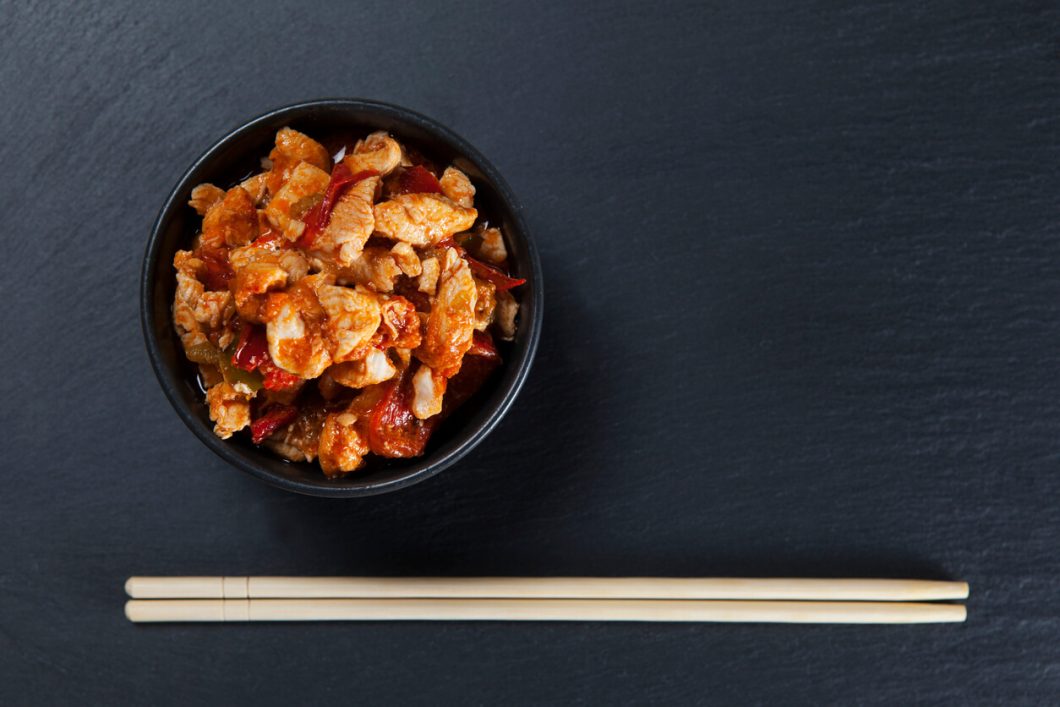
First, cooks cut the chicken into small pieces and marinate it lightly. This keeps it tender and helps it cook quickly. Then it hits a hot pan and starts to sear. Because of this, the outside gains flavor while the inside stays juicy.
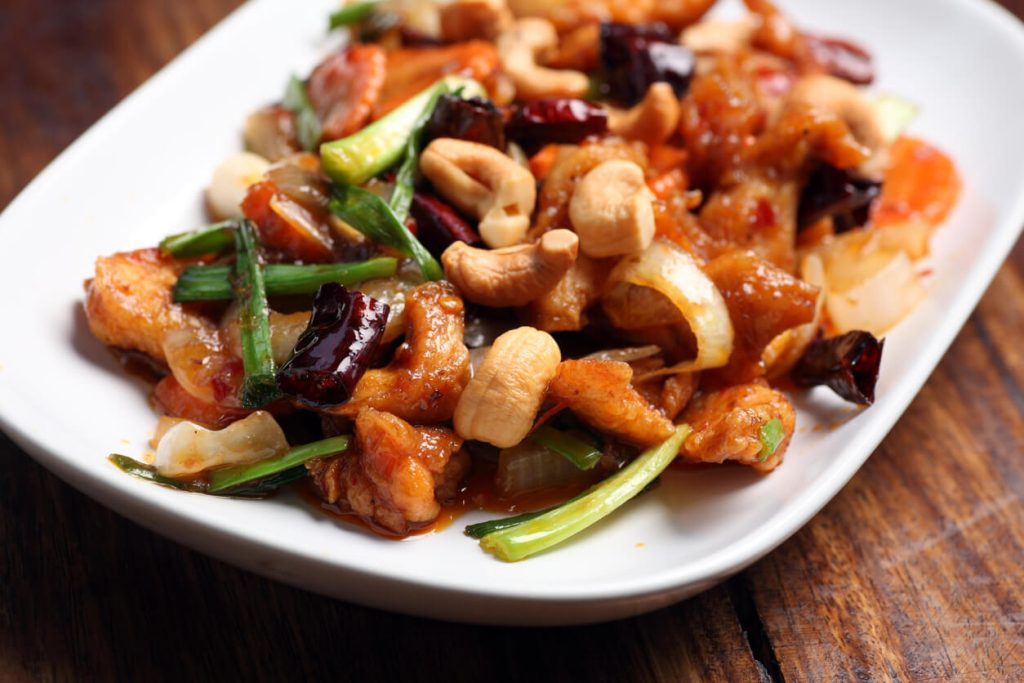
Next comes the heat. Dried chili peppers go in first, followed by Sichuan peppercorns. They release that unmistakable aroma. Not just spicy, but slightly numbing. As a result, the flavor builds in layers instead of hitting all at once.
Meanwhile, garlic and ginger add depth. Then a simple sauce comes together. Soy sauce, a touch of sweetness, and a bit of acidity balance everything out. In turn, the dish moves from sharp to rounded, from heat to full flavor.
Then the peanuts go in. They bring crunch and contrast. This is what makes the dish complete. Soft chicken, crisp vegetables, and that bite from the nuts. Because of this, every forkful feels different but still connected.
This dish cooks fast, but it demands attention. Timing matters. Heat matters. You stay with it the whole way through.
Finally, serve it hot. Let the aroma hit first, then the spice.
Overall, Kung Pao chicken is not subtle. It’s energetic, layered, and deeply satisfying. The kind of dish that wakes up your palate and keeps you coming back.
Marinate the Chicken: Combine the chicken pieces with the marinade ingredients in a bowl. Mix well and let sit for at least 15 minutes.
Prepare the Sauce: In a small bowl, mix together all the sauce ingredients. Set aside.
Cook the Chicken: Heat 1 tablespoon of oil in a wok or large skillet over medium-high heat. Add the chicken and stir-fry until it's nearly cooked through. Remove the chicken and set aside.
Stir-Fry the Aromatics: Add the remaining oil to the wok. Stir in the Sichuan peppercorns and dried chili peppers. Cook until fragrant, about 30 seconds.
Combine Ingredients: Add the bell pepper, green onions, garlic, and ginger to the wok. Stir-fry for about a minute.
Finalize the Dish: Return the chicken to the wok. Pour in the prepared sauce and add the peanuts. Stir well to combine all ingredients and cook until the sauce thickens.
Serve: Serve the Kung Pao Chicken hot with steamed rice.