The Suitcase That Smells Like Another Place
Travel rarely ends at the airport. Long after luggage is unpacked and routines return, traces remain — a spice tucked into a kitchen drawer, a habit of eating later in the evening, a sudden dissatisfaction with meals once considered ordinary.
The change often appears quietly.
A traveler reaches for fresh herbs instinctively after visiting Southeast Asia. Coffee begins to be consumed slowly after mornings spent in European cafés. Meals stretch longer because conversation now feels essential rather than optional.
Cooking becomes the place where travel continues.
Food carries memory differently than photographs or souvenirs. A flavor can recreate atmosphere instantly: the warmth of street-side noodles, the calm of a late Italian dinner, the hum of markets waking before sunrise. Kitchens become spaces where distant places reappear through small gestures repeated daily.
Travel reshapes cooking not by teaching new recipes alone, but by changing how ingredients are understood.
Learning to See Ingredients Differently
Before travel, ingredients often exist as items on a shopping list — functional components chosen to complete planned meals. Exposure to global food cultures transforms this relationship.
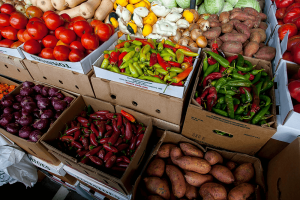
Markets in Europe teach seasonality. Street vendors in Asia demonstrate immediacy. Mediterranean cooking reveals restraint. Japanese kitchens emphasize precision.
Gradually, ingredients regain individuality.
Tomatoes are no longer interchangeable year-round products but seasonal expressions worth waiting for. Rice becomes foundation rather than side dish. Herbs move from garnish to essential element.
Cooking shifts from assembly to awareness.
The traveler learns that flavor begins long before cooking starts — in choosing, observing, and respecting ingredients.
Time as an Ingredient
One of travel’s most profound lessons involves pace. Across cultures, meals unfold according to rhythms shaped by environment and tradition rather than efficiency.
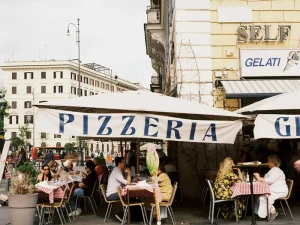
In Italy, dinner expands across hours. In Tokyo, late-night meals mark emotional transition after work. In Southeast Asia, breakfast defines community at dawn.
Returning home, rushed eating begins to feel incomplete.
Travel teaches that time influences taste. Slow preparation deepens sauces. Rest between courses enhances appetite. Lingering at the table strengthens memory.
Cooking becomes less about speed and more about presence.
Even simple dishes feel transformed when given attention.
The Shift From Recipes to Principles
Travelers often attempt to recreate dishes exactly as experienced abroad, only to find results slightly different. Ingredients vary. Techniques feel unfamiliar. Authenticity proves elusive.
Eventually, a deeper understanding emerges.
Italian cooking teaches simplicity. Asian cuisine teaches balance. Mediterranean food teaches generosity. Markets teach adaptability.
These principles travel more easily than recipes.
A home cook begins applying them unconsciously — adjusting seasoning gradually, balancing textures, choosing freshness over complexity. Meals evolve organically, influenced by experiences rather than instructions.
Cooking becomes intuitive.
Eating as Cultural Memory
Meals connect people to place because they engage multiple senses simultaneously. Taste, smell, sound, and atmosphere merge into lasting impressions.
Travel amplifies this connection.
A bowl of soup recalls humidity and street noise. Grilled fish evokes coastal air. Espresso brings back conversations overheard in unfamiliar languages.
Recreating dishes at home becomes an act of remembering.
Food preserves emotional geography — a way of revisiting places without movement. Families and friends participate in these memories through shared meals, extending travel experiences beyond individual journeys.
Cooking becomes storytelling without words.
The Kitchen as a Place of Translation
When global influences enter a home kitchen, they rarely remain unchanged. Ingredients available locally shape adaptation. Personal preferences influence interpretation.
This transformation reflects the true nature of culinary exchange.
Every cuisine evolved through movement — trade routes, migration, cultural interaction. Tomatoes arrived in Italy centuries ago from the Americas. Spices traveled across oceans long before modern globalization.
Travelers continue this process naturally.
A pasta dish may incorporate Asian herbs. Mediterranean vegetables appear beside rice bowls. Techniques blend subtly, creating meals that feel personal yet globally inspired.
The kitchen becomes a meeting place between cultures.
What Changes First at Home
The earliest transformations often appear small:
- meals served in shared dishes rather than individually plated
- fresh herbs added at the final moment
- dinner eaten without distraction
- curiosity replacing routine grocery choices
Over time, these habits reshape daily life. Cooking becomes less repetitive. Eating feels intentional. Even weekday dinners carry echoes of distant experiences.
Travel changes expectations permanently.
Food once considered ordinary begins to feel incomplete without balance, freshness, or attention learned elsewhere.
Hospitality Reimagined
Travel also transforms how people host others. Exposure to global dining traditions reveals hospitality as atmosphere rather than perfection.
Italian meals emphasize warmth over precision. Asian dining encourages sharing. Mediterranean tables celebrate abundance without excess.
Hosting becomes simpler and more meaningful.
Guests gather longer. Conversations extend naturally. Meals focus on connection rather than presentation. Imperfection becomes part of authenticity.
The host shifts from performer to participant.
Why Travel Makes Better Cooks
Exposure to unfamiliar cuisines removes fear of experimentation. Watching cooks operate confidently with limited tools encourages adaptability. Observing markets inspires seasonal awareness.
Travel expands culinary imagination.
Instead of searching for exact instructions, cooks begin asking different questions:
What balances this dish?
What texture is missing?
What would make this meal feel complete?
Cooking evolves from following steps to understanding relationships between flavors and experiences.
Confidence grows through curiosity.
Bringing the World Into Everyday Cooking
Adopting travel-inspired cooking does not require exotic ingredients or complex techniques. The transformation lies in mindset.
Cook with attention. Eat with patience. Share generously.
Simple practices reflect global lessons:
- cook one dish well rather than many dishes quickly
- allow meals to unfold naturally
- prioritize freshness whenever possible
- embrace variation rather than perfection
These principles turn ordinary kitchens into spaces of exploration.
Travel Notes: Continuing the Journey at Home
Ways to Keep Travel Alive Through Food
- Visit local markets regularly
- Cook dishes from recent travels weekly
- Share meals with friends frequently
- Learn one new ingredient at a time
Mindset Shift
Travel does not end when movement stops. It evolves through repetition at home.
The kitchen becomes the new destination.
Why Food Becomes the Lasting Souvenir
Unlike objects, food integrates into daily life. It changes routines quietly, shaping mornings, evenings, and relationships over time.
Travel memories fade visually but remain vividly through flavor. A familiar aroma can restore entire experiences instantly.
Cooking ensures those memories remain active.
The world becomes smaller not through technology but through shared meals inspired by distant places.
Travel ultimately changes cooking because it changes attention. Exposure to different food cultures reveals that great meals depend less on complexity than on awareness — of ingredients, environment, and the people gathered together.
The most meaningful transformation occurs when cooking stops being obligation and becomes exploration.
Bringing the world home means carrying forward rhythms learned elsewhere: slowing down like Europe, balancing flavors like Asia, celebrating ingredients like the Mediterranean.
Every meal becomes an opportunity to travel again without leaving the table.