Across Europe, cafés were never designed merely for coffee. They were built as stages for conversation, observation, and the quiet pleasure of time unfolding slowly — places where sitting becomes ritual and taste becomes memory.
The Table Facing the Street
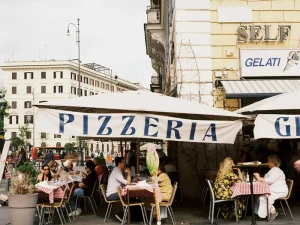
Morning arrives differently in Europe. Before offices open and before shop shutters rise, café chairs begin appearing along sidewalks as if placed there by instinct rather than planning. Tables face outward toward passing life, cups clink softly against saucers, and newspapers unfold without urgency. Nothing feels rushed, yet everything feels awake, as though the city inhales gently before beginning its day.
In Milan, espresso is consumed standing at polished counters, swallowed in two deliberate sips before work begins. In Paris, chairs angle toward the boulevard so that watching becomes part of the ritual itself. In Vienna, coffee arrives on silver trays beside a glass of water, encouraging pause rather than efficiency.
Coffee is only the excuse.
Across the continent, cafés are not simply places to drink. They are environments designed for presence — spaces where conversation, observation, and food merge into daily routine. To travelers arriving from faster cultures, the experience feels subtly disorienting. Orders take longer. Tables remain occupied for hours. Waiters rarely interrupt. Slowly, the purpose reveals itself: the café exists not to accelerate life, but to frame it.
The Birth of Café Society
The European café began as more than a culinary innovation; it was a social revolution. Coffee arrived during the seventeenth century through trade routes linking the Ottoman Empire to Venice and beyond. Unlike taverns centered on alcohol, cafés fostered clarity rather than intoxication, attracting thinkers, writers, and citizens eager to exchange ideas.
In Vienna, coffeehouses evolved into intellectual salons where composers, philosophers, and journalists spent entire afternoons reading and debating politics. Parisian cafés shaped artistic movements, hosting painters and poets whose conversations extended far beyond the tables where they sat.
These spaces democratized conversation. Anyone could enter, order a drink, and participate in public life. The café became neutral ground — neither home nor workplace — where identity softened and dialogue expanded.
Food remained intentionally simple. Pastries, bread, and small bites allowed guests to linger without distraction, supporting continuity rather than conclusion. Over centuries, this culture embedded itself deeply into European daily life, preserving the belief that sitting together mattered.
Coffee as Ritual, Not Commodity
The Italian Counter
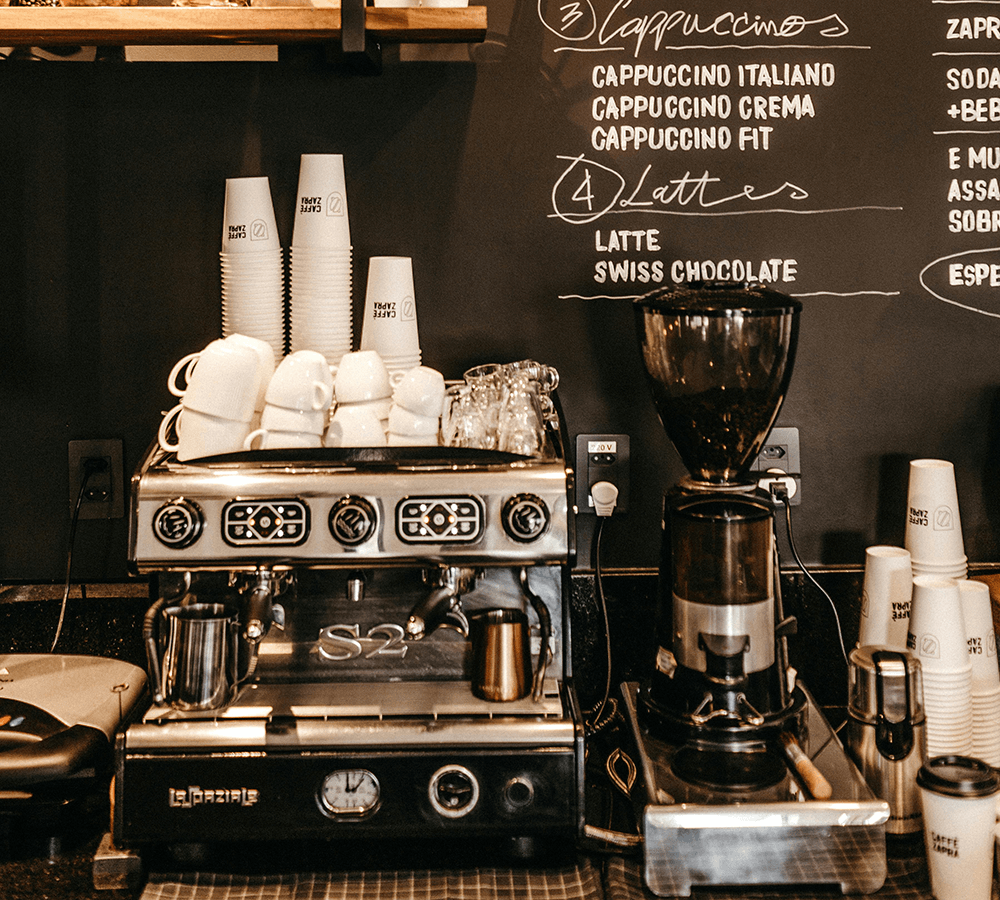
In Italy, the café experience begins with brevity rather than duration. Espresso is rarely carried away. It is consumed at the bar alongside strangers sharing the same ritual, an interaction lasting seconds yet repeated daily until familiarity forms quietly.
Ordering incorrectly immediately reveals unfamiliarity. Cappuccino belongs to morning hours; espresso defines the rest of the day. Speed exists here, but it is purposeful — efficient without ever feeling hurried.
The Parisian Terrace
Paris approaches cafés differently. Sitting becomes essential. Chairs positioned toward the street transform guests into observers of urban theater. A single coffee may last an hour, accompanied by conversation or contemplation as life passes inches away.
The terrace blurs boundaries between private and public space. Coffee becomes wine, pastries become light lunches, and afternoons stretch naturally into evening.
The Viennese Pause
Vienna offers perhaps the most deliberate interpretation of café culture. Coffeehouses function almost as libraries, encouraging reading and reflection beneath high ceilings and soft light. Service arrives formally, yet guests remain unhurried, suspended outside ordinary time.
The accompanying glass of water symbolizes hospitality — an acknowledgment that comfort matters as much as consumption.
The Food That Supports Conversation
European café food rarely overwhelms because its purpose is balance. Pastries provide warmth and texture without demanding attention away from conversation. Croissants in France, cornetti in Italy, and tortes in Central Europe reflect regional traditions while maintaining restraint.
Bread plays an equally important role. Toasted slices topped with butter, jam, or olive oil create familiarity rather than spectacle. Small sandwiches and light dishes sustain energy without signaling the end of the experience.
Food becomes companion rather than destination.
Unlike modern café chains designed for turnover, traditional cafés design menus that encourage staying. Portions feel intentional — enough to sustain, never enough to rush departure.
What Travelers Notice — and Often Misunderstand
Visitors frequently interpret slow service as inefficiency. The absence of urgency feels unfamiliar to cultures shaped by productivity and speed. Yet the delay is deliberate.
Waiters avoid interrupting conversation because interruption breaks the café’s social purpose. Bills are rarely delivered automatically; requesting one signals that the experience has concluded. Tables are not reclaimed quickly because lingering is expected.
Once travelers relinquish control over time, the rhythm begins to feel liberating rather than inconvenient. Moments once filled with scrolling phones become filled with observation — nearby conversations, the aroma of espresso, the quiet choreography between servers and guests.
The café teaches patience through repetition.
Conversation as Cuisine
European café culture suggests that conversation itself functions as nourishment. Ideas develop alongside meals, relationships strengthen through shared presence, and memory attaches itself not to extravagance but to duration.
A simple coffee remembered years later often matters because of who was present and how slowly time unfolded. The café restores connection between eating and attention, allowing taste to sharpen as distraction fades.
Bringing Café Culture Home
Recreating café culture does not require historic streets or European architecture. Its essence lies in ritual. Serving coffee in a proper cup rather than a disposable container changes perception immediately. Sitting for even a few uninterrupted minutes transforms routine into experience.
Bring café rhythm into daily life:
- Prepare coffee intentionally rather than automatically
- Serve simple baked goods alongside conversation
- Begin meals without digital distractions
- Treat coffee as a pause rather than a transition
Recipes inspired by café traditions:
- Traditional Italian Cornetti
- Classic French Croissants
- Almond Biscotti
- Espresso Affogato
Travel Notes: Experiencing Café Culture Across Europe
Best Cities for Café Life
- Milan for standing espresso rituals
- Paris for terrace culture
- Vienna for historic coffeehouses
- Lisbon for relaxed morning cafés
What to Expect
- No rush to order again
- Tables occupied for long periods
- Conversation valued over efficiency
Etiquette Tips
- Observe locals before ordering
- Avoid takeaway when possible
- Stay longer than feels natural
THE OVENSOURCE PERSPECTIVE
Café culture endures because it protects something increasingly rare: unstructured time shared with others. Food and drink provide the setting, but attention provides meaning.
Travelers often remember not the monuments they visited but the tables where they sat longest. A coffee enjoyed slowly becomes evidence that life can move at a different pace.
In learning how Europe sits, talks, and tastes, one discovers that the most lasting culinary lesson is not a recipe, but a rhythm.