In Italy, the meal begins before the first bite — in the way the table is set, the way time slows, and the way conversation is invited to take the best seat. The rules are rarely spoken, yet almost always followed, and learning them turns dinner from “a reservation” into a small kind of belonging.
The Table Is Already Set
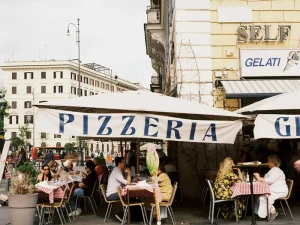
Even before guests arrive, an Italian table carries intention. Glasses align with quiet precision, bread rests nearby but untouched, and chairs angle inward as if designed for storytelling rather than efficiency. Outside, scooters flash past and voices echo through narrow streets, yet inside the rhythm slows almost imperceptibly.
Dinner will not begin immediately.
In Italy, eating is rarely spontaneous in the way visitors expect. Meals unfold gradually, guided by customs so deeply ingrained that locals seldom articulate them. Nothing appears formal, yet everything follows an invisible structure—understood instinctively by those who grew up within it. Travelers feel the difference quickly: service is unhurried, courses arrive separately, and no one seems eager to finish. What first reads as “slow” reveals itself as choreography, a social language expressed through food.
Italian dining operates according to rules that are rarely written but consistently practiced.
Meals Are Events, Not Appointments
In many parts of the world, dining fits between obligations. In Italy, obligations arrange themselves around meals. Lunch and dinner remain anchors of daily life—moments protected from interruption. Restaurants mirror this philosophy. Tables are prepared for long stays rather than quick turnover, and reservations secure space for an evening, not a countdown measured in minutes.
Once seated, guests belong to the table.
Without pressure to hurry, conversations lengthen. Wine is poured slowly. Decisions feel deliberate rather than rushed. Time expands not because service drags, but because urgency disappears—and that absence is the luxury.
Understanding the Italian Meal Structure
Italian menus can confuse first-time visitors because they reflect tradition rather than efficiency. Courses exist independently, each playing a role within the larger rhythm of dining. When you understand the sequence, the meal reads like a narrative—opening gently, building warmth, arriving at a central moment, then tapering into a soft landing.
Antipasto — The Beginning
The meal opens gently. Cured meats, vegetables, and small bites prepare appetite rather than satisfy hunger completely. Portions remain modest, encouraging anticipation, and the table begins to talk as much as it eats.
Antipasto introduces conversation as much as flavor.
Primo — The Heart of the Meal
Pasta, risotto, or soup arrives next, and contrary to what many travelers assume, this is not a “starter.” It’s a central moment. Flavor deepens, yet portions remain balanced, designed for continuation rather than conclusion.
The primo sets the emotional tone of dinner.
Secondo — The Main Expression
Meat or fish follows separately, often accompanied by simple vegetables ordered independently. The separation is intentional. Italian cuisine values clarity—each element gets its own space to speak without competition.
Dolce and Coffee — The Gentle Ending
Dessert concludes softly. Espresso arrives after, signaling closure while still inviting lingering conversation. Even when plates are cleared, the evening rarely ends abruptly. Understanding the progression removes confusion and reveals the meal’s structure: a deliberate arc rather than a pile of dishes.
The Pace of Service — A Misunderstood Luxury
Visitors often interpret Italian service as slow, especially compared to faster dining cultures. Yet servers intentionally avoid interrupting conversation. Delivering dishes too quickly would disrupt the flow; presenting the bill without request would feel discourteous. Hospitality here means granting autonomy.
Guests control the duration of the experience. Waiters observe attentively but intervene minimally, and the absence of constant check-ins reflects respect rather than neglect. Once understood, the pace becomes liberating. Dining turns immersive instead of transactional, and the table becomes its own little world.
Bread, Cheese, and Other Quiet Rules
Many unwritten customs reveal themselves gradually, the way you notice the rules of a city only after you’ve walked it for a few days. Bread accompanies meals but rarely serves as an appetizer. Olive oil for dipping is more common in tourist areas; locals reserve bread for accompanying dishes—or for the beloved act of fare la scarpetta, using it to gather the last traces of sauce at the end.
Cheese follows a logic shaped by balance. It complements pasta and meat but rarely seafood, preserving delicate flavors. Cappuccino belongs to morning hours, replaced by espresso later in the day. None of these practices are enforced; they simply reflect a collective understanding built over generations.
Observe rather than alter, and the experience sharpens.
Dining as Social Performance
Italian meals emphasize interaction more than consumption. Conversation overlaps freely. Gestures accompany storytelling. Silence doesn’t signal discomfort; it often signals satisfaction. Tables remain animated long after plates empty because the meal is not only what’s eaten—it’s what’s shared.
Families dine together often, reinforcing connections across generations. Children participate fully, learning rhythm and etiquette naturally. Meals teach patience, listening, and appreciation without formal instruction, and travelers quickly realize what feels special isn’t extravagance but engagement—the sense that everyone present contributes to the atmosphere.
What Travelers Learn Slowly
The most important lesson arrives subtly: dining well requires surrendering control over time. Checking watches or rushing courses disrupts harmony. Allowing the evening to unfold reveals pleasures otherwise unnoticed—changing light across old stone buildings, aromas drifting from nearby kitchens, conversations floating between tables like background music.
The meal expands beyond food into environment.
Many visitors resist this pace at first, then miss it profoundly after returning home. Italian dining recalibrates expectation, proving that satisfaction grows when experiences are allowed to breathe.
Restaurants as Extensions of Home
Italian restaurants often feel intimate because they evolved from domestic traditions. Menus stay focused. Ingredients reflect regional identity. Owners greet returning guests personally. The boundary between public and private hospitality softens, and regulars return not only for dishes but for recognition—the small warmth of being known.
Even travelers sense the atmosphere: welcomed into rituals practiced daily rather than staged for tourism. Authenticity arises naturally when restaurants mirror home kitchens, and when food is treated as a continuation of life rather than an interruption of it.
Bringing Italian Dining Home
Recreating Italian dining outside Italy begins not with recipes but with structure. Serve courses sequentially. Set the table intentionally. Let conversation stretch between dishes. End with coffee rather than rushing away. Even simple meals gain significance when framed within ritual.
Try this at home:
- Serve in courses, not all at once
- Keep portions modest so the meal can continue
- Pour wine slowly and let conversation lead
- End with espresso (or strong coffee) and a soft dessert
Recipes that embody Italian dining rhythm:
- Antipasto Platter with Seasonal Vegetables
- Cacio e Pepe
- Osso Buco (or Simple Roasted Chicken)
- Classic Tiramisu
Travel Notes: Dining Confidently in Italy
When to Eat
- Lunch: 1:00–3:00 PM
- Dinner: rarely before 7:30 PM, often later
What to Expect
- Courses ordered separately
- Minimal menu substitutions
- Relaxed pacing
Helpful Etiquette
- Ask for the bill when ready: “Il conto, per favore.”
- Trust regional specialties
- Enjoy the experience rather than directing it
Why These Rules Endure
Italian dining customs survive because they protect something increasingly rare: shared attention. By structuring meals deliberately, culture preserves space for connection despite modern acceleration. Food remains central not because of nostalgia, but because it continues to work—fostering community, slowing perception, and enriching daily life.
The unwritten rules persist because they create satisfaction deeper than convenience.
THE OVENSOURCE PERSPECTIVE
Dining in Italy reveals that great meals depend less on complexity than on intention. Ingredients matter. Technique matters. But rhythm shapes experience—how long you sit, how you talk, how you allow the meal to unfold.
Travelers often try to recreate Italian flavors at home, yet the most meaningful transformation happens when pacing changes—when meals regain space for conversation and presence.
The lesson Italy offers is simple yet profound: eating well begins when time is treated as an ingredient rather than an obstacle.
COOK THE EXPERIENCE AT HOME
- Traditional Antipasti Ideas
- Roman Pasta Classics
- Slow-Cooked Italian Mains
- Espresso & Dessert Pairings