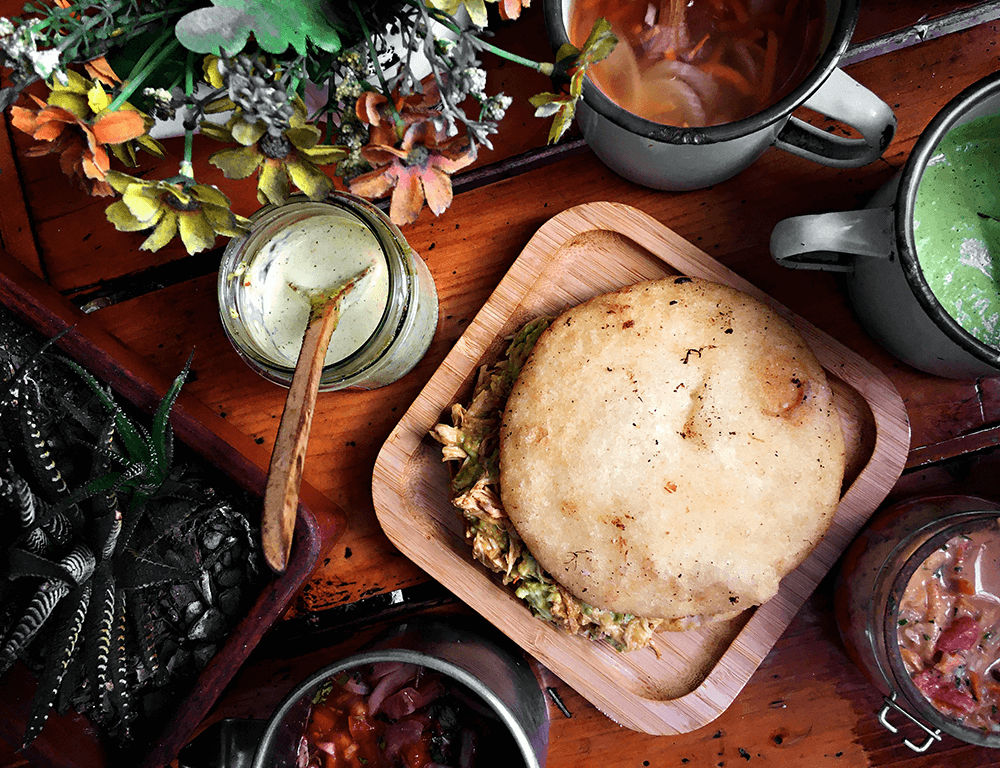
In much of Latin America, a meal isn’t something you “sit down to.” It’s something you enter — a room filling with voices, music drifting in from somewhere nearby, extra chairs appearing as if the evening itself keeps making space. The food matters, yes. But the joy is what people come for.
When the Meal Begins Before the Food
In much of Latin America, the feeling of a meal arrives before the first plate touches the table. Chairs appear gradually. Music plays somewhere nearby — sometimes softly from a kitchen radio, sometimes loud enough to spill into the street. Someone pours drinks while another arranges plates that may not yet hold food. Conversations begin immediately, overlapping and expanding as more people arrive.
No one asks whether dinner is ready.
The gathering itself is already part of the meal. Across cities and villages alike, dining rarely separates eating from living. Meals stretch naturally into evenings filled with laughter, storytelling, and movement. Time loosens its structure. Plans adjust without concern. Food does not interrupt life here — it amplifies it.
Celebration Without Occasion
Visitors often search for the reason behind the festive atmosphere surrounding Latin American meals. Birthdays, holidays, and festivals certainly exist, yet even ordinary dinners carry similar energy. Celebration requires no formal justification.
A weekday evening may include extended family dropping by unexpectedly. Neighbors join conversations casually. Extra chairs appear without discussion, and plates expand to accommodate whoever arrives. Hospitality adapts instantly, not as performance but as instinct.
Joy becomes the default setting rather than the special event.
Meals feel abundant not because ingredients are extravagant, but because generosity shapes preparation. Cooking anticipates sharing, and sharing becomes the point.
The Table as Social Center
Conversation as the Main Course
In many Latin American homes and restaurants, conversation holds equal importance to food. Stories unfold slowly, interrupted by laughter, gestures, and memories revisited with affection. No one rushes toward conclusion, because the conclusion isn’t the goal.
Dishes arrive gradually, sometimes irregularly, allowing dialogue to guide the pacing. Silence rarely lasts long. Even strangers find themselves included naturally, pulled into conversation through warmth rather than obligation.
The table becomes a stage for connection.
Movement Around the Meal
Unlike formal dining structures, guests move freely — standing, sitting, helping serve, returning to the kitchen. Children weave between conversations. Music encourages occasional dancing between courses. The boundary between host and guest softens, and participation replaces performance.
Music, Rhythm, and Appetite
Sound plays an essential role in Latin American dining culture. Meals rarely exist in quiet isolation. Music accompanies cooking, eating, and conversation, shaping the emotional tone of gatherings. Rhythm influences appetite, not by distraction, but by expansion — it makes space for lingering.
Salsa, samba, cumbia, or regional folk music turns the room into an atmosphere. Movement becomes natural response rather than interruption. Travelers often notice how laughter carries easily across spaces, blending with music and conversation into a collective soundtrack that defines the meal more vividly than individual dishes.
Food becomes inseparable from environment.
Flavor as Expression
Latin American cuisine embraces boldness — bright citrus, layered spices, fresh herbs, and slow-cooked depth coexisting within the same meal. Flavor reflects personality. Sauces invite customization. Heat levels adjust according to preference. Plates encourage experimentation rather than strict adherence to a single “correct” way.
Eating becomes expressive. Diners build bites according to mood, adding lime or salsa freely, transforming shared dishes into personal experiences without breaking the communal spirit. The meal holds structure, but it also holds freedom.
Time Expands Naturally
One of the most striking differences travelers notice is the absence of urgency. Meals unfold according to emotional rhythm rather than schedule. Dinner may begin late and extend deep into night. Coffee appears hours after dessert. Conversations continue even after plates clear.
Time becomes generous.
Rather than measuring meals by efficiency, diners measure them by connection — how long people stayed, how deeply conversations went, how fully everyone felt included. The evening ends only when energy gently fades.
Family, Tradition, and Continuity
Latin American dining traditions often center around family structures that remain deeply interconnected. Grandparents, cousins, friends, and neighbors gather regularly, reinforcing relationships through shared meals. Recipes carry memory across generations, and techniques pass through observation rather than written instruction.
Children learn flavors early, associating dishes with belonging and celebration. Even as cities modernize, these traditions remain resilient because they satisfy emotional needs beyond nourishment.
Food preserves identity.
What Travelers Feel Most Strongly
Visitors frequently describe Latin American meals not by specific flavors but by atmosphere — warmth, inclusion, spontaneity. Guests feel welcomed quickly, sometimes unexpectedly. Invitations extend easily. Portions increase without request. The experience feels personal.
Travelers realize that dining here prioritizes emotional satisfaction as much as culinary excellence. Joy becomes contagious. Hesitation dissolves. Participation feels natural.
Eating becomes shared happiness.
The Meaning of Generosity
Generosity defines Latin American hospitality. Offering food communicates care directly. Hosts often serve guests first, ensuring comfort before attending to themselves. Abundance signals respect — not as luxury, but as intention.
Even modest meals feel rich because the value lies in openness. Sharing what exists becomes pride and kindness at once. Travelers often carry this lesson home, realizing that memorable meals depend less on perfection than on welcome.
Food expresses values.
Bringing Joy Into Everyday Meals
Adopting Latin American dining philosophy means shifting focus from presentation toward experience. Create meals that invite interaction and allow the evening to stay alive beyond the last bite.
Try this at home:
- Serve dishes family-style and let people build their own plates
- Play music during cooking and keep it on through dinner
- Invite guests into the kitchen — let help feel natural
- Don’t rush to “wrap up” after dessert
Recipes inspired by celebratory dining:
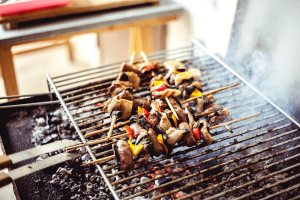
- Grilled Meats with Chimichurri
- Fresh Ceviche
- Rice and Bean Platters
- Bright Citrus Salads
- Dulce de Leche Desserts
Travel Notes: Experiencing Dining as Celebration
Best Places to Feel the Atmosphere
- Family-run restaurants
- Neighborhood gatherings
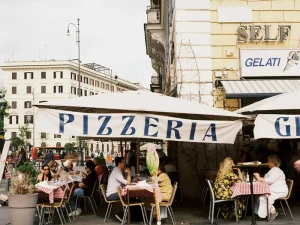
- Outdoor plazas at night
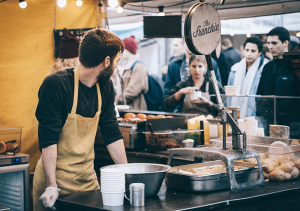
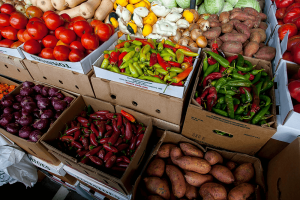
- Festival food markets
How to Participate Fully
- Accept invitations, even casual ones
- Stay longer than planned
- Let conversation guide the pacing
Dining Insight
- Joy grows when meals are experienced rather than scheduled
Why Joy Defines the Cuisine
Latin American dining shows that food reaches its fullest meaning when connected to emotion. Celebration does not depend on occasion; it emerges from shared presence. Meals succeed because they prioritize people first.
Flavor enhances connection rather than competing with it. Cooking becomes an act of generosity, eating an act of gratitude, and joy transforms nourishment into memory.
THE OVENSOURCE PERSPECTIVE
Travel across the Americas reveals that cuisine reaches its highest expression not through complexity alone, but through happiness shared openly. Latin American dining teaches that meals matter most when they create belonging — when laughter fills the space between bites and time expands enough for everyone to feel included.
Long after the journey ends, travelers often remember not only what they ate — but how welcomed they felt while eating it.
In these gatherings, food becomes more than sustenance. It becomes celebration of life itself.
COOK THE EXPERIENCE AT HOME
- Family-style serving ideas
- Citrus and herb flavor balancing
- Shared grilling menus
- Festive dessert traditions