The Kitchen That Never Stopped Changing
In many parts of the world, cuisine protects tradition carefully, preserving recipes as cultural inheritance. In the Americas — particularly across the United States and Canada — food behaves differently. It moves, adapts, absorbs, and reinvents itself continuously, shaped by the people who arrive carrying memories of other kitchens.
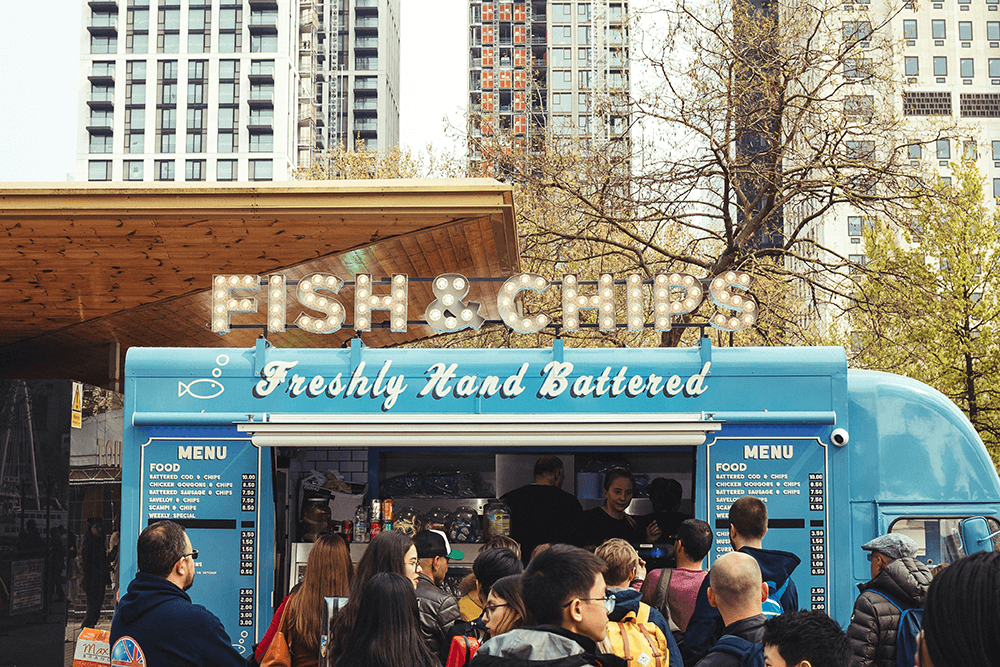
Walk through any major city at lunchtime and the story unfolds immediately. A food truck selling Korean tacos parks beside a classic hot dog stand. Around the corner, a chef trained in French technique prepares tasting menus inspired by Mexican street food. Nearby, a bakery produces sourdough loaves influenced simultaneously by European tradition and Californian innovation.
Nothing feels fixed, yet everything feels authentic.
The American kitchen evolves because the country itself never stops evolving.
Immigration as Culinary Engine
Every wave of migration reshaped the food landscape. Italian immigrants adapted bread and pizza to new ingredients and faster urban life. Chinese laborers introduced noodles that evolved into entirely new regional dishes. Caribbean, Middle Eastern, Vietnamese, Ethiopian, and countless other communities added layers of flavor that gradually became inseparable from national identity.
Restaurants often began as survival — small family businesses serving familiar dishes to homesick communities. Over time, those foods crossed cultural boundaries, becoming part of shared culinary language.
The transformation rarely happened intentionally. It occurred through proximity — neighbors tasting one another’s cooking, markets stocking unfamiliar ingredients, chefs growing curious about flavors beyond their upbringing.
Cuisine expanded through everyday interaction.
The Birth of the Food Truck Movement
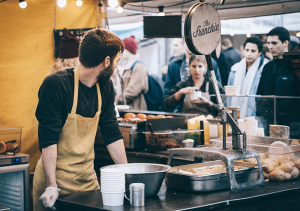
The modern reinvention accelerated dramatically with the rise of food trucks. Freed from traditional restaurant costs and expectations, cooks experimented openly, bringing personal heritage into public space.
Chefs who might never have opened formal restaurants suddenly reached large audiences. Menus changed quickly. Risk felt acceptable. Fusion emerged naturally rather than strategically.
The now-famous Korean taco illustrates this evolution: traditional Korean barbecue flavors wrapped inside Mexican tortillas, born not from culinary theory but from lived multicultural experience in Los Angeles.
Customers embraced innovation immediately because it reflected their own blended identities.
Street food became cultural conversation.
Cities as Culinary Ecosystems
Los Angeles: Diversity Without Borders
Los Angeles demonstrates reinvention vividly. Neighborhoods overlap culturally, allowing cuisines to influence one another organically. Taco stands operate beside sushi counters, vegan cafés beside traditional diners.
Ingredients migrate between kitchens effortlessly.
Chefs draw inspiration from childhood memories and surrounding communities simultaneously. Authenticity becomes fluid — defined by honesty rather than strict origin.
New York: Tradition Meets Experimentation
New York balances preservation and innovation. Century-old delis coexist with avant-garde tasting menus. Classic bagels remain unchanged while nearby restaurants reinterpret global cuisine through modern technique.
The city rewards both nostalgia and curiosity.
Food evolves without abandoning history.
Toronto and Vancouver: Global Palates
Canadian cities showcase similar dynamism. Immigration patterns created culinary diversity unmatched for population size. Diners experience global flavors within single neighborhoods, reflecting multicultural identity as everyday reality.
Cuisine becomes inclusive rather than hierarchical.
When Street Food Influences Fine Dining
One of the most significant culinary shifts in recent decades involves the relationship between casual and formal cooking. Techniques once reserved for fine dining moved into street kitchens, while high-end restaurants began drawing inspiration from humble foods.
Chefs elevated comfort dishes using refined technique while preserving emotional familiarity. Fine dining adopted informality — shared plates, relaxed environments, storytelling menus rooted in memory rather than luxury alone.
Respect replaced hierarchy.
A taco or sandwich could now carry the same culinary seriousness as classical European dishes. Excellence became defined by execution rather than category.
The Role of Creativity and Risk
American cuisine thrives on experimentation because failure carries less stigma than stagnation. Restaurants open boldly, menus evolve quickly, and chefs adapt continuously to changing tastes.
Young cooks reinterpret family recipes through modern perspective. Cultural blending happens naturally in diverse cities where collaboration feels inevitable.
Food reflects personal narrative as much as tradition.
This openness explains why American dining influences global culinary trends despite lacking a single historic foundation. Creativity itself becomes heritage.
What Travelers Notice First
Visitors often expect American food culture to revolve around speed and convenience alone. Instead, deeper exploration reveals intense dedication to craft beneath casual appearances.
Lines form outside barbecue joints before sunrise. Artisan bakeries ferment dough for days. Small restaurants source ingredients locally with meticulous care.
Travelers discover that authenticity here means sincerity — cooks preparing food that reflects identity rather than obligation to tradition.
Meals feel personal even when innovative.
Comfort Food Reimagined
Reinvention does not eliminate comfort; it expands it. Classic dishes evolve while retaining emotional core. Fried chicken appears alongside global spices. Burgers incorporate unexpected ingredients. Mac and cheese transforms through regional interpretation.
The familiar becomes new without losing meaning.
This balance explains the enduring popularity of comfort food within modern dining. Innovation succeeds when it respects emotional memory.
Food remains recognizable even as it changes.
Bringing Reinvention Into the Home Kitchen
Travel across the Americas encourages cooks to experiment without fear. Recipes become adaptable frameworks rather than rigid rules.
combine culinary influences naturally • use local ingredients creatively • reinterpret favorite dishes personally • cook with curiosity rather than perfection
The home kitchen becomes extension of global experience.
Travel Notes: Experiencing Culinary Reinvention
Urban food markets • night food truck gatherings • neighborhood immigrant districts • chef-driven casual restaurants
Menus often tell personal stories — origins, travels, family memories.
Order something unfamiliar. Reinvention reveals itself through curiosity.
Why American Cuisine Continues to Evolve
Because identity across the Americas remains dynamic, cuisine mirrors constant change. New communities arrive, technologies advance, and tastes shift rapidly.
Food adapts accordingly.
Rather than preserving a fixed past, American cooking documents the present moment. Each generation leaves its imprint through flavor.
The reinvention of American cuisine demonstrates that authenticity does not require permanence. Food gains meaning through honesty — cooks expressing who they are and where they come from. Travelers often leave understanding that culinary identity grows strongest when traditions meet openly rather than defensively. In the Americas, the kitchen never stops becoming something new. And perhaps that is its defining flavor: possibility.