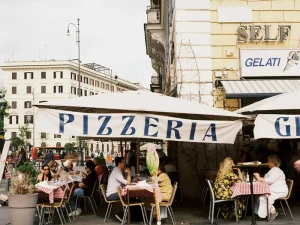
In early 2026, a quiet but meaningful change is happening at Europe’s dinner tables. For years, the world has moved toward a ‘permanent present,’ where the information age has weakened the ties to our ancestors’ experiences. Now, though, we are seeing what some call a ‘Golden Age’ of reclaimed heritage, where people choose the excitement of learning over the rush of speed. Slow dining is no longer just a relic of the past; it is a thoughtful answer to a fast-changing society, letting people truly experience time instead of just passing through it. To understand why a European meal can last all afternoon, it’s important to see that food here is seen as ‘identitary heritage,’ a living ‘manual of humanity’ that links our digital world to the traditions of the past.
Europeans take their time with meals because they believe memory is at the heart of time and place. For generations, important knowledge was passed down through actions and words, like the way someone stirs a pot or knows when to add just enough salt. Today, eating slowly helps protect us from forgetting these traditions. When you enjoy a long meal, you help preserve the ‘wheat’ of our culture, keeping our traditions safe from being lost in a world of sameness.
That’s why groups like the University of Gastronomic Sciences and the Slow Food movement have spent years collecting the stories of farmers, shepherds, and cooks. They know that when an elder passes away, we risk losing special knowledge built up over centuries—wisdom you can’t find in books. By taking our time at the table, we keep these stories alive and help protect both the land’s variety and the rich cultures of its people.
The Foundations of Slowness: Italian Tradition and Technique
At the heart of this slow approach is the idea of cucina povera, or ‘the kitchen of the poor.’ This tradition, born out of necessity, teaches us to create something special from simple ingredients like flour, water, and beans, using patience and creativity. It values resourcefulness and follows the saying: “Del porco non si butta via niente”—no part of the pig is wasted. This way of cooking takes time because simple foods need patience to develop flavor. You can’t rush a soffritto; carrots, onions, and celery must cook slowly to become a flavorful base. Whether it’s a Ribollita from Tuscany, cooked again to deepen its taste, or a Pasta e Fagioli that thickens as it simmers, time is the key ingredient. Here, cooking is not just about feeding people; it’s about enjoying and respecting the ingredients.
The best example of taking it slow is found in Rome’s ‘four pillars’: Carbonara, Amatriciana, Gricia, and Cacio e Pepe. These dishes show how just a few ingredients—guanciale, Pecorino Romano, and black pepper—can create something special. A real Roman meal is all about timing. For example, true Carbonara never uses cream. Instead, cooks use steam from the pasta water to gently melt cheese and eggs into a smooth sauce without scrambling them.
There’s a science behind why slow cooking matters. Chefs know to salt the water just before adding pasta because it helps the noodles cook to the perfect texture. The change from raw dough to al dente happens quickly, so cooks need to pay close, steady attention. Another key is the starchy pasta water, which helps blend the pasta and sauce, keeping the dish moist and giving it a better texture.
The speed of meals changes across Europe. In the North, especially in places like Bologna, people focus on rich, comforting flavors to keep warm in winter. Here, fresh egg pasta is popular. Made with ’00’ flour and eggs, it has a soft texture that soaks up slow-cooked sauces like Ragù Bolognese. A real Ragù takes seven or eight hours to cook, letting the milk soften the meat and the wine add brightness.
Further south, as the weather gets warmer, the food becomes lighter and more colorful. Here, dried pasta made from durum wheat and water is common, giving a firm bite that highlights the simple ingredients. In Puglia, you might see women outside making Orecchiette by hand while chatting—a tradition that goes back to the 1200s. In Sicily, dishes like Pasta con le Sarde mix sweet, savory, and aromatic flavors, using ingredients like fresh sardines, wild fennel, and currants.
A Continental Rhythm: Spain, Scandinavia, and the Future of Slow Travel
Slow dining isn’t just an Italian tradition. In Spain, the siesta is a key part of daily life, giving people a break from the hot afternoon sun and dividing the day into flexible parts. When evening comes, people take a relaxed walk, greeting neighbors and stopping for tapas. Eating tapas is a social event, letting people enjoy small plates and good company without the rush of a formal meal.
In northern Europe, ideas like hygge and fika also create a sense of comfort. Hygge is about enjoying cozy moments, like sharing a slow meal by the fire. In Sweden, fika is a daily coffee break to relax and recharge—a mindful pause in the day. These customs fit with the idea of lagom, which means living with balance and moderation, even when the weather is tough.
To really experience slow dining, spend an afternoon in one of Europe’s old cafés. Places like Caffè Florian in Venice or Café Procope in Paris have long been meeting spots for deep conversations and big ideas. Here, people have debated, dreamed, and planned without ever leaving their seats.
In the 18th and 19th centuries, famous thinkers like Voltaire, Rousseau, and Byron met in these cafés. Even now, relaxing in a café in Vienna or Prague is a way to slow down and enjoy the moment. These places are still important, helping us remember old traditions in a fast-paced world.
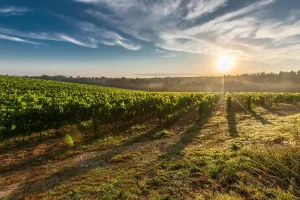
For travelers in 2026, enjoying slow culture means thinking differently—more like an ‘anti-tourist.’ More people are skipping crowded spots and choosing quieter, more meaningful experiences that focus on well-being. This might mean finding peace in Portugal’s Douro vineyards or in the flower-filled villages of Provence.
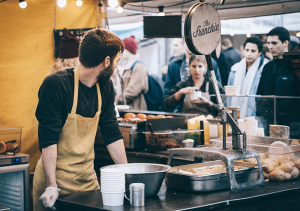
There are certain etiquette rules to follow in this slower world. The most important is to treat your server with respect and never rush them. In many places, it’s rude for the staff to bring the bill before you ask, as they don’t want to hurry you. In Italy, you usually pay at the front desk when you’re ready. Other customs include speaking quietly in small restaurants and handling food with care—like using gloves at markets in Italy. Also, in fine Parisian restaurants, don’t ask for menu changes or to take leftovers home; the chef’s choices reflect the season and tradition.
The SlowFood-CE project shows that the practice of slow living is different across Central Europe. In Dubrovnik, people focus on remembering the ‘City Breadwinners’ who have fed the town for generations, even with the rise of tourism. In Venice, the ‘Saòr’ event celebrates local foods like soft-shelled crabs and the old Dorona grape. In Krakow, bringing back food traditions includes listening for the unique bells of shepherds in the Tatra Mountains, which helped people recognize each flock. These customs aren’t just about nostalgia—they are ways to live sustainably and in harmony with nature. From Brno’s street food to Kecskemét’s apricot traditions, these cities offer lessons for a more meaningful future.
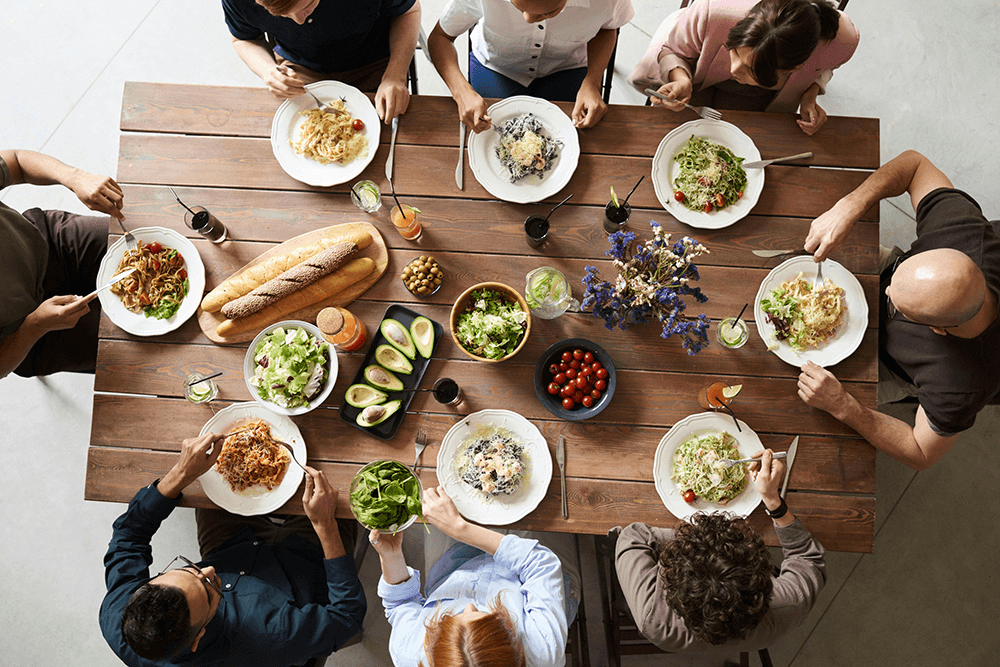
Even as the world speeds up, the European table offers a place of comfort. We are at a turning point, choosing between rushing ahead or embracing deeper knowledge. Slow dining helps us hold onto the past instead of losing it. When we take our time over a meal, we’re not just eating—we’re keeping our ancestors’ wisdom alive and saving our traditions for the future.
Slow dining shows us that ‘good food brings people together,’ and our greatest heritage is the memories and stories we share at an unhurried table. A long European meal is a way to show love for the earth, our history, and each other. As the sun sets in the piazza, we see that the best experiences are those that grow slowly and with care. Eating slowly reminds us of our place in the world and invites us to reflect on our past, present, and future.