Across much of Europe, dinner is never something to finish quickly. It is an unfolding — an evening measured not in minutes but in conversation, pauses, and shared presence. Slow dining isn’t a trend; it’s a cultural memory still practiced daily.
When Dinner Becomes the Evening
As daylight softens across European cities, tables begin to fill long before plates arrive. Chairs scrape gently against stone streets, glasses catch the last light of afternoon, and conversation settles into a rhythm that feels unmeasured by time. Waiters move calmly between tables, never interrupting the natural flow of discussion. Nothing appears urgent, yet everything feels intentional.
Dinner in much of Europe does not function as a pause between activities. It is the activity — the central event around which the evening organizes itself. Visitors accustomed to efficiency often feel disoriented at first. Orders are not rushed. Courses arrive separately. Tables remain occupied long after meals conclude, as though an invisible clock has been removed from the room.
Time itself becomes part of the recipe.
Gradually, something shifts. Conversation deepens. Flavors seem clearer. Eating stops feeling transactional and begins to feel experiential — an immersion rather than an obligation.
A Culture Built Around the Table
European dining traditions formed in societies where food and daily life evolved together rather than separately. Agricultural rhythms once dictated schedules long before industrial productivity reshaped routines. Meals aligned with sunlight, climate, and community instead of efficiency.
Midday meals allowed workers to return home. Evening dinners marked transitions from labor to social life. Food reinforced family bonds and communal identity, transforming the table into a social anchor where conversations extended naturally because there was nowhere more important to be.
The familiar structure of multi-course dining emerged from this foundation: antipasti opening appetite gently, pasta or grains following, proteins arriving later, dessert closing the experience softly. Each course created space — not emptiness, but breathing room for conversation.
Slow dining was never invented. It simply evolved as a way of living.
The Architecture of a European Meal
Courses as Rhythm
European meals unfold like chapters in a story. Each dish introduces a new tone while allowing the previous one to settle fully. Waiting between courses becomes part of enjoyment rather than inconvenience. Diners notice surroundings, exchange thoughts, and reconnect with the sensory environment of the table.
The meal expands naturally.
Ingredients That Reward Patience
Traditional European cooking relies on restraint. Fresh olive oil, ripe vegetables, aged cheeses, and carefully prepared meats reveal flavor gradually rather than instantly. Unlike foods engineered for immediate impact, these ingredients reward attention.
A tomato grown under Mediterranean sun does not demand urgency. A long-simmered ragù unfolds slowly, revealing depth over time.
Flavor reveals itself to attention.
Restaurants Designed for Staying
Many European restaurants expect guests to remain for extended periods. Tables are rarely reclaimed quickly. Bills arrive only when requested. Servers observe rather than interrupt, allowing diners to control the pace of their own experience.
The absence of pressure reshapes behavior. Conversations extend beyond meals, transforming dinner into memory rather than transaction.
What Travelers Notice First
Visitors often interpret slow dining as inefficiency. Waiting for service feels unfamiliar when speed defines hospitality elsewhere. Yet perceived delay reflects a fundamental difference in intention. Delivering the bill prematurely would signal dismissal rather than service.
As evenings progress, subtle details emerge — neighboring conversations blending into ambient sound, streetlights illuminating terraces, the gradual transition from dinner to espresso to digestivo.
The meal becomes inseparable from the environment.
Hours pass unnoticed. Expectations shift not through explanation but through repetition.
The Social Meaning of Eating Slowly
Slow dining strengthens relationships by removing distraction. Without urgency, conversations deepen organically. Stories expand. Silence becomes comfortable rather than awkward. Food acts as catalyst rather than centerpiece.
Across generations, shared meals transmit cultural values quietly. Children learn etiquette through observation. Recipes carry memory. Seasonal dishes mark time more reliably than calendars.
Eating slowly reinforces belonging.
Lessons Hidden in the Mediterranean
The Mediterranean lifestyle illustrates how slow dining integrates naturally into well-being. Meals emphasize vegetables, grains, olive oil, and moderation, yet the real difference lies in pacing.
Eating slowly allows fullness to register naturally. Conversation extends digestion. Walking after dinner becomes habit rather than exercise obligation. Pleasure and balance coexist effortlessly.
The emphasis remains enjoyment rather than discipline — a subtle distinction that reshapes eating habits without effort.
Bringing Slow Dining Home
Recreating slow dining outside Europe requires fewer changes than expected. The philosophy depends more on intention than geography.
Small adjustments that transform meals:
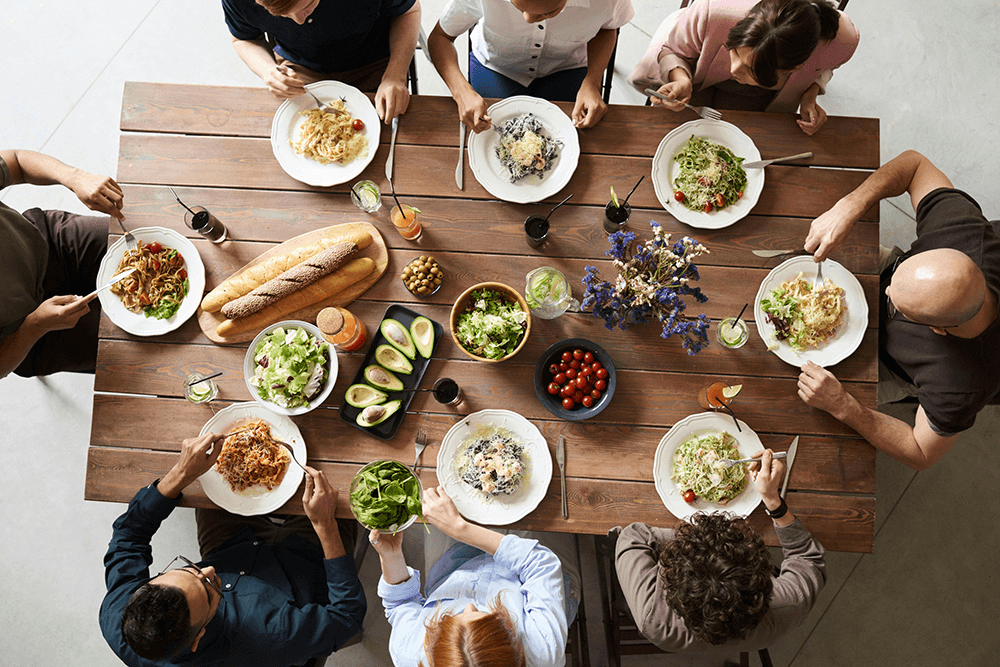
- Serve meals in courses rather than all at once
- Set the table intentionally, even on ordinary evenings
- Remove phones and distractions
- Allow meals to last beyond necessity
Cooking begins to change as well. Recipes chosen for sharing replace individual portions. Sauces simmer longer. Bread becomes accompaniment rather than afterthought. The transformation lies not in complexity but in attention.
Recipes that encourage slow dining:
- Classic Spaghetti al Pomodoro
- Mushroom Risotto
- Roast Chicken with Seasonal Vegetables
- Traditional Tiramisu
Travel Notes: Experiencing Slow Dining in Europe
Where the Tradition Feels Strongest
- Rome neighborhood trattorias after sunset
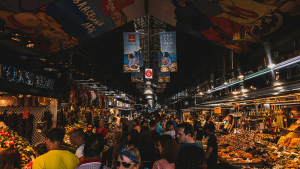
- Spanish plazas during late tapas hours
- Parisian bistros during long evening service
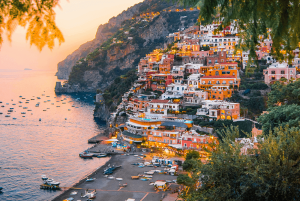
- Coastal Mediterranean towns where dinner begins after dusk
What to Expect
- Meals lasting two to three hours
- No pressure to vacate tables
- Conversation flowing between courses
Dining Etiquette
- Avoid rushing servers
- Order wine or water to accompany pacing
- Request the bill only when ready to leave
THE OVENSOURCE PERSPECTIVE
Slow dining demonstrates that flavor cannot be separated from experience. Ingredients matter, technique matters, but time ultimately binds them together. Travelers often attempt to recreate European dishes at home, yet the deeper transformation occurs when pacing changes — when meals regain space for conversation and shared presence.
The true souvenir of European travel is not a recipe, but a rhythm.
Eating well begins when we slow down enough to notice — the people at the table, the texture of food, and the quiet pleasure of time allowed to unfold.
COOK THE EXPERIENCE AT HOME
- Handmade Pasta Dough
- Slow-Simmered Tomato Sauce
- Creamy Risotto Milanese
- Espresso and Simple Dessert Pairings