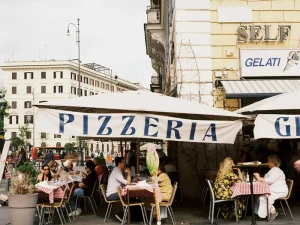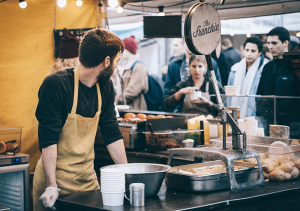
When the sun goes down, Tokyo doesn’t slow — it exhales. Follow the lanterns, the steam, and the late-night counters, and the city starts telling you who it really is.
When the City Changes Flavor
Tokyo doesn’t fall asleep when the sun goes down. It exhales.
As evening settles over the city, office towers release waves of commuters into streets already glowing with layered light — neon reflecting across rain-dark pavement, paper lanterns swaying gently outside narrow doorways, steam drifting upward from kitchens preparing for their busiest hours. The transformation is subtle at first, then complete. The precise efficiency of daytime Tokyo softens into something warmer, quieter, more intimate.
Daytime Tokyo runs on schedules. Nighttime Tokyo runs on appetite.
Tiny restaurants slide open doors barely wider than a person’s shoulders. Fabric noren curtains mark entrances like quiet invitations. Inside, conversations lower in volume, chopsticks replace keyboards, and the rhythm of cooking takes over where the rhythm of work left off.
For many residents, the real life of the city begins only after dark.
And the truest way to understand Tokyo isn’t through temples or towers — it’s through what happens between dinner and midnight, seated shoulder to shoulder with strangers sharing a meal.
The Culture of Evening Gathering
Japan’s work culture has long shaped its food culture. Long days create a need for transition — a moment between professional identity and personal life. Dining fills that space.
Colleagues gather at izakayas, informal pubs where meals unfold slowly through small shared plates rather than structured courses. Friends meet for ramen after missed trains. Solo diners settle comfortably at counters designed specifically for one person, never feeling out of place.
Eating alone here doesn’t signal isolation. It signals comfort.
Tokyo’s restaurants adapt to every emotional state: quick nourishment for the tired, shared dishes for celebration, quiet corners for reflection. The city understands that food is not just sustenance — it’s decompression.
Night gives permission to slow down.
The Architecture of Small Spaces
Tokyo’s limited space shaped one of the world’s most intimate dining cultures.
Many restaurants seat fewer than ten guests. Kitchens exist within arm’s reach of diners, eliminating the invisible barrier common in larger restaurants. Every movement becomes visible — knives slicing, charcoal glowing, broth ladled carefully into bowls.
Cooking feels less like service and more like quiet performance.
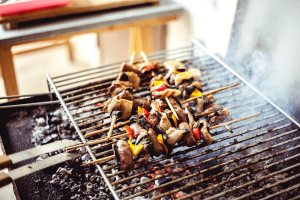
At sushi counters, chefs shape rice with movements refined through decades of repetition. Yakitori masters turn skewers inches from guests, adjusting heat instinctively. Ramen cooks assemble bowls with astonishing speed, each motion precise yet fluid.
You don’t just eat the meal. You witness it being born.
And somehow, even among strangers, the closeness never feels uncomfortable — only shared.
The Language of Izakaya Dining
Eating Through Variety
Izakaya meals don’t follow a beginning, middle, and end. They evolve.
A plate of grilled fish arrives. Then pickled vegetables. Then fried bites, simmered dishes, something unexpected suggested by the server. Orders continue as conversation grows, guided by mood rather than plan.
There is no centerpiece — only progression.
Drinking as Companion
Beer, sake, and highballs accompany food naturally, never dominating it. Glasses refill casually, almost unnoticed. Drinking here supports connection rather than excess.
The ritual is social, not performative.
Staying Longer Than Planned
Time stretches. No one rushes. Plates come and go while conversations deepen. Even busy neighborhoods seem to pause within restaurant walls.
Tokyo moves fast — except when eating.
Precision Hidden Inside Simplicity
Japanese food often appears minimal, yet its simplicity hides extraordinary effort.
A bowl of ramen may look straightforward, but beneath it lies hours — sometimes days — of preparation. Broths simmer endlessly. Noodles are engineered for exact texture. Toppings balance richness against freshness with deliberate care.
Yakitori reveals the same philosophy. Different cuts of chicken are grilled separately, each highlighting subtle variations in flavor and texture.
Nothing overwhelms. Everything contributes.
Tokyo cuisine doesn’t demand attention loudly. It rewards attention quietly.
Convenience Without Compromise
One of Tokyo’s greatest surprises is consistency.
Convenience stores sell meals prepared with care. Train stations house noodle shops worthy of destination dining. Late-night counters maintain standards many cities reserve for fine restaurants.
Quality isn’t reserved for special occasions. It’s expected daily.
The distinction between casual and exceptional blurs. A quick dinner after work can feel as thoughtful as a celebratory meal.
Food here isn’t luxury. It’s responsibility.
What Travelers Notice First
Visitors often arrive expecting chaos from one of the world’s largest cities. Instead, restaurants reveal calm.
Voices remain soft. Movements feel intentional. Even crowded kitchens operate with quiet efficiency.
Respect shapes everything.
Customers wait patiently. Chefs focus intensely. Gratitude is expressed subtly — a nod, a phrase, a moment of eye contact at departure.
Eating becomes participation rather than consumption.
The Role of Seasonality
Seasonality defines Japanese dining with remarkable sensitivity.
Spring introduces delicate flavors. Summer favors cooling dishes. Autumn leans earthy and comforting. Winter welcomes steaming broths and shared hot pots.
Even presentation changes — dishware, colors, and menu structure shifting alongside nature.
Tokyo’s nighttime dining reflects the seasons as clearly as its parks.
Food becomes a calendar you can taste.
Midnight Meals and Second Dinners
As trains approach their final departures, Tokyo changes again.
Ramen shops fill with diners seeking warmth before heading home. Dessert cafés glow softly, serving matcha sweets and delicate pastries. Convenience stores quietly sustain night workers and travelers alike.
The city doesn’t sleep — it simply eats differently.
Late meals feel restorative, almost reflective. A bowl of broth becomes closure to a long day. A simple rice dish feels grounding.
Night dining becomes a form of reset.
Bringing Tokyo’s Food Philosophy Home
You don’t need specialized ingredients to recreate Tokyo’s spirit — only a change in approach.
Cook with intention. Serve immediately. Focus on balance rather than complexity.
Try this at home:
- Prepare smaller dishes meant for sharing
- Respect ingredient quality over elaborate technique
- Create intimate lighting and slower pacing
- Let meals unfold naturally
Tokyo teaches that atmosphere shapes flavor as much as seasoning.
Dishes inspired by Tokyo nights:
- Simple ramen broth
- Yakitori skewers
- Japanese pickled vegetables
- Teriyaki chicken bowls
Travel Notes: Experiencing Tokyo After Dark
Neighborhoods to explore
- Shinjuku’s Omoide Yokocho for alleyway dining
- Shibuya for energetic izakayas
- Ginza for refined counters
- Asakusa for traditional atmosphere
How to navigate dining
- Expect small spaces
- Wait patiently
- Trust chef recommendations
Etiquette tips
- Speak quietly
- Avoid strong perfumes
- Say “gochisōsama deshita” when leaving
Why Tokyo’s Night Food Culture Feels Unique
Tokyo proves that intimacy can exist inside enormous scale.
Small spaces create focus. Specialization encourages mastery. Mutual respect between diners and chefs maintains harmony even during the busiest hours.
The city doesn’t slow life down — it creates moments of stillness within movement.
Night is where those moments live.
THE OVENSOURCE PERSPECTIVE
Tokyo after dark reveals food as transition — a bridge between obligation and self.
Travelers rarely remember exact recipes. Instead, they remember feelings: warmth from a bowl held close, lantern light reflecting on wet streets, conversations shared briefly with strangers who disappear back into the city.
In Tokyo, food doesn’t compete with urban energy. It translates it.
Eating becomes the way the city breathes.
COOK THE EXPERIENCE AT HOME
Bring Tokyo night dining into your kitchen:
-
Homemade Ramen Techniques
Broth, noodles, and the small details that make it feel real.
-
Skewer Grilling Basics
Yakitori-style timing, heat, and simple marinades.
-
Japanese Sauce Foundations
Soy, mirin, dashi, and balance without heaviness.
-
Simple Rice Bowl Preparations
Fast comfort meals that still feel intentional.