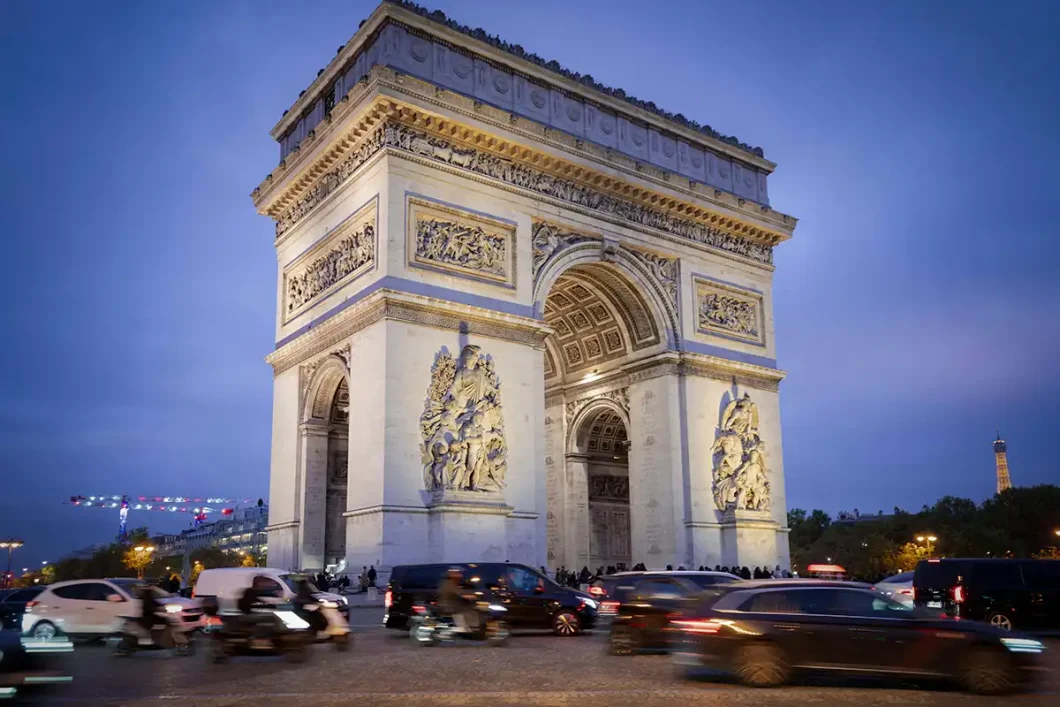
Paris doesn’t reveal itself through monuments first. It reveals itself through repetition — the same café in the morning, the same corner in the afternoon, the same table returned to without thinking. And somewhere inside that rhythm, the bistro sits quietly, unchanged in its purpose even as the city moves around it. Long before tasting menus, before reservations became strategy, before dining turned into something to plan, the bistro was already there. A small room, a short menu, a glass of wine placed on the table before you even realized you wanted one. It was never meant to impress. It was meant to exist. That’s what makes the category so difficult to define now. The word “bistro” has expanded, stretched, reinterpreted. But in Paris, in certain rooms, it still holds its original weight — simple food, modest space, and a kind of immediacy that doesn’t need explanation. The restaurants in this guide don’t try to redefine the bistro. They hold onto it, each in their own way.
In the Marais, where history folds into daily life almost effortlessly, Bistrot des Tournelles feels like a continuation of something that has always been there. The room is compact, the lighting warm, the energy steady rather than performative. Nothing about it asks for attention, and yet it holds it completely. The meal doesn’t unfold dramatically. It settles. It finds its rhythm somewhere between the first course and the second glass of wine, and by the end, you realize you’ve stopped noticing time altogether. Just a short distance away, still within that same layered part of the city, Au Bourguignon du Marais shifts the experience inward. Here, the identity is clearer, more defined. Burgundy runs through the menu like a thread — slow cooking, deep sauces, dishes that carry weight without becoming heavy. It’s a different kind of bistro. Less about movement, more about depth. You don’t come here for variety. You come here to lean into something specific and stay with it.
Further out, in the 11th arrondissement, the tone changes again. Bistrot Paul Chêne doesn’t soften its edges. The room is louder, tighter, more immediate. Plates arrive with weight — not just physically, but in the way they’re composed. Sauces are richer, portions more assertive, the entire experience leaning toward something older, more grounded, less filtered for modern expectations. It feels closer to what bistros once were: places where food was not adjusted to trends, but anchored in appetite. That energy carries through the room. Conversations overlap, service moves quickly, and the space never fully settles. It doesn’t need to. It works because it stays in motion. And yet, just a few minutes away, Le Café du Coin takes that same neighborhood and translates it differently. The structure loosens. The format becomes more flexible. The meal can start as a drink, turn into a few plates, and quietly become dinner without ever feeling like a transition happened. This is where the modern bistro begins to show itself — not as a replacement, but as a continuation. The same principles remain: accessibility, rhythm, familiarity. But the edges soften, the format opens, and the experience becomes something you can fold into your day rather than plan around.
And then there is Le Petit Cler, where the boundary between restaurant and street almost disappears entirely. Tables extend outward, conversations drift between them, and the entire experience feels less like entering a space and more like joining something already in motion. It’s easy to dismiss places like this as simple, even obvious. But that simplicity is carefully held together. The pacing, the service, the familiarity of the dishes — all of it works because it has been repeated enough times to feel natural. Not everything that looks effortless actually is.
What connects these places is not a single style of cooking, or a shared level of refinement, or even a consistent atmosphere. What connects them is something more structural. They function without needing to explain themselves. They don’t rely on narrative. They don’t frame the experience. They don’t guide you toward what you should feel about them. They exist, and you meet them where they are. That’s what a bistro has always been. Historically, bistros were never meant to be destinations. They were part of daily life — small, accessible, often family-run places serving simple, recognizable food. Even now, as restaurants become more conceptual, more designed, more intentional in the way they present themselves, the bistro remains anchored in something older. It doesn’t reject change. It simply doesn’t depend on it.
The real shift happens when you stop looking for the “best” bistro and start noticing the ones that feel right. The one where you stay longer than expected. The one you don’t photograph. The one you return to without needing a reason. That’s where the category begins to make sense again. Because in the end, a classic Parisian bistro isn’t defined by its menu or its reputation. It’s defined by its place in the city — and in your own memory of it. Not as a highlight, but as something you quietly come back to.