Pairings
Wine Pairing for Mediterranean Vegetarian Cooking
Save
Greek Salad, Feta, and Wines Built for Salt and Freshness
That’s exactly why weak or overly soft white wines disappear beside it. The salad keeps moving after the wine is already gone. Assyrtiko works beautifully because it understands salinity naturally. Good Assyrtiko carries sharp mineral acidity, citrus, and a sea-like freshness that locks directly into the feta and tomato without flattening the vegetables. You feel the cucumber become colder, the tomato sweeter, and the olive oil cleaner after the sip. Vermentino works differently but just as naturally. The slight bitterness underneath the citrus mirrors the olive oil and oregano, giving the pairing more texture and persistence.
Dry rosé also becomes incredibly effective with Greek salad when the wine stays restrained and mineral rather than fruity. Provençal rosé with good acidity and low sweetness keeps the dish feeling sharp and relaxed at the same time, especially during warmer weather when the vegetables are served colder and the olive oil becomes more aromatic. Picpoul can also work beautifully because its saline freshness refreshes continuously without pulling focus away from the vegetables themselves.
What makes this pairing successful is that the wine never tries to overpower the salad. Mediterranean food like this depends on freshness staying alive all the way through the meal. The wine exists to sharpen the ingredients already there — not to replace them with something heavier.
Provençal Vegetables, Olive Oil, and Rustic Southern French Wines
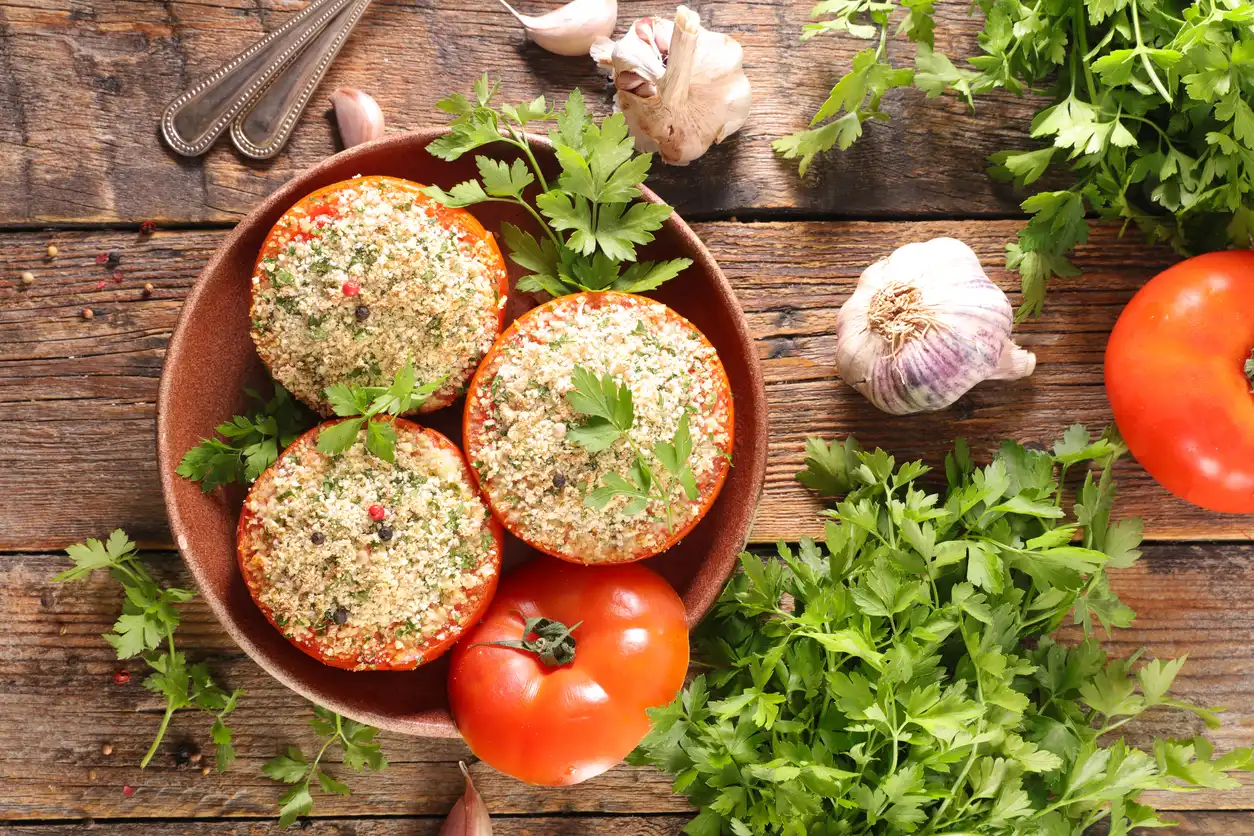
This is where fuller Mediterranean whites and softer reds become much more interesting. Grenache Blanc works beautifully because it carries texture naturally without becoming heavy. The wine settles into the roasted vegetables instead of cutting through them aggressively. You feel the sweetness of the peppers and onions become rounder while the herbs stay lifted underneath. Rolle, especially from Southern France, also works naturally because of its balance between softness and freshness. The wine keeps enough acidity to prevent the olive oil from becoming heavy while still respecting the warmth of the vegetables.
Provençal rosé becomes particularly elegant with this dish because the wine mirrors the relaxed countryside feeling of the cooking itself. The pairing feels less technical and more atmospheric — warm vegetables, olive oil, herbs, rosé slightly chilled in the afternoon heat. Even light Pinot Noir can work here, especially earthier styles with restrained fruit and softer tannins. The wine connects naturally with roasted tomato, garlic, and herbs without overpowering the vegetables.
You feel the sweetness of the peppers and onions become rounder while the herbs stay lifted underneath.
That’s the difference between pairing raw Mediterranean cooking and roasted Mediterranean cooking. One depends on tension and brightness. The other depends on warmth, texture, and slow-developed flavor. The wines have to adjust to that rhythm. With Provençal stuffed vegetables, the best pairings don’t try to refresh the palate aggressively.
They settle into the dish the same way the olive oil and herbs settle into the vegetables themselves.
Written by Alberto Mura, Founder & Editor of OvenSource

SommHQ Recommends
Wines for these recipes
Chosen by SommHQ for the recipes above.

France · Provence
Château d’Esclans Whispering Angel 2025
Grenache, Cinsault & more · Rosé
Discover wine & pairingsWith Provencal Stuffed Vegetables (Légumes Farcis Provençaux): Same hillsides, same herbs: garlic, tomato and thyme are its home cooking.

France · Rhône Valley
Famille Perrin Côtes du Rhône Réserve 2023
Grenache, Syrah & more · Medium-bodied red
Discover wine & pairingsWith Provencal Stuffed Vegetables (Légumes Farcis Provençaux): Herbs, tomato and garlic from the south with a red from the same sun.

Greece · Peloponnese
Boutari Moschofilero 2024
Moschofilero · Aromatic white
Discover wine & pairingsWith Greek Salad (Horiatiki): Feta, olives and tomato with a bright, citrusy Greek white.

New Zealand · Marlborough
Whitehaven Marlborough Sauvignon Blanc 2025
Sauvignon Blanc · Crisp white
Discover wine & pairingsWith Greek Salad (Horiatiki): Crisp citrus for feta, olives and tomato.
Explore further


