The Map You Can Taste
The Americas rarely introduce themselves quietly. Cities announce their presence through sound, scale, and motion, but long before skylines become recognizable, food begins telling the traveler where they have arrived.
Morning in New York smells faintly of toasted bread and roasted coffee drifting from corner delis already busy before sunrise. Hundreds of miles south, smoke rises slowly above Texas fields where barbecue pits have burned through the night, tended patiently while most of the city slept. Further north, winter air in Montreal carries the warmth of gravy poured over fries, steam escaping into cold streets as people gather inside small cafés seeking comfort from the season.
Travel across the Americas reveals a continent that explains itself through eating. Landscapes change dramatically — oceans, deserts, forests, mountains — yet each region translates environment into flavor differently. Meals become conversations between geography and people, shaped as much by climate as by migration.
Unlike older culinary traditions defined by continuity, food here feels restless, constantly adjusting to new arrivals and new ideas. Recipes travel alongside communities, adapting quietly with each generation.
To move through the Americas is to watch identity being cooked in real time.
A Continent Built Around Arrival
Food in the Americas begins long before modern borders. Indigenous civilizations cultivated corn, beans, squash, peppers, cacao, and countless varieties of crops engineered through deep agricultural knowledge. These ingredients formed sophisticated food systems rooted in sustainability and seasonal awareness.
Their influence remains everywhere, often unnoticed.
Corn becomes tortillas in Mexico, arepas in Colombia and Venezuela, grits in the American South, and countless other expressions shaped by region. Beans appear endlessly reinvented. Chili peppers migrate across cuisines, defining heat and depth.
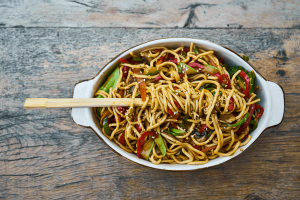
When Europeans arrived, they brought wheat, livestock, dairy, and new cooking techniques. Later waves of migration layered additional traditions — Italian bakeries, Chinese noodle shops, Caribbean spices, Middle Eastern grills, Japanese seafood techniques.
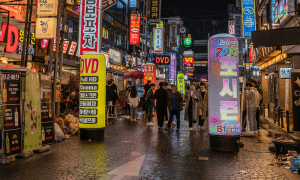
Walking through any major American city means moving through centuries of culinary dialogue happening simultaneously. A single street might contain tacos rooted in ancient agriculture beside pizza shaped by European migration and ramen refined through Asian influence.
The Americas do not cook from a single origin story. They cook from encounter.
Cities Spoken Through Food
New York: The Slice as Language
In New York, food adapts to movement. Pizza slices fold easily because people eat while walking, talking, working, living quickly. Pizzerias glow late into the night, welcoming construction workers, artists, students, and visitors equally.
Orders are brief, transactions efficient, yet something communal persists. Strangers stand shoulder to shoulder sharing counters, united momentarily by the same simple meal.
The slice reflects the city: fast, diverse, democratic.
Texas: Fire and Patience
Far from urban density, Texas barbecue unfolds at an entirely different pace. Smoke drifts slowly across open spaces where pitmasters monitor meat through long hours, adjusting wood and airflow with quiet focus.
Customers arrive early, forming lines not out of impatience but respect. Waiting becomes part of participation. Conversations begin between strangers comparing previous visits and favorite cuts.
When food finally arrives, silence often follows the first bite — a shared acknowledgment that time invested has meaning.
Cooking here teaches patience.
Quebec: Warmth Against Winter
In Montreal, cold weather shapes comfort directly. Restaurants glow warmly against snowy streets, offering dishes designed to sustain both body and spirit. Poutine arrives heavy and unapologetic, combining textures that feel indulgent yet deeply practical.
Meals slow naturally as people linger indoors, protected from winter’s intensity.
Climate becomes ingredient.
The Road as a Culinary Thread
Highways transformed North American food culture as profoundly as migration itself. Diners appeared along long stretches of road, promising consistency to travelers navigating unfamiliar landscapes.
Inside these spaces, coffee cups refill endlessly. Conversations begin casually between strangers seated beside one another simply because space allows it. Pie rotates behind glass displays, each slice representing comfort rather than innovation.
The diner becomes a shared memory across distances. Truck drivers, families, musicians, and students pass through the same booths over decades, creating a collective culinary experience tied not to region but to movement itself.
Food accompanies travel rather than interrupting it.
Reinvention as Tradition
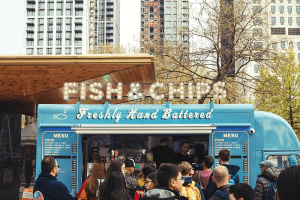
Perhaps the defining characteristic of American cuisine is its willingness to change. Food trucks line city streets offering dishes impossible a generation earlier — Korean tacos, fusion sandwiches, globally inspired comfort food born from cultural intersection.
Innovation feels natural because identity itself remains fluid. Young chefs reinterpret childhood dishes using techniques learned abroad. Immigrant families adapt recipes to local ingredients while preserving emotional connection to origin. Restaurants become laboratories where heritage and creativity coexist.
Nothing feels fixed for long. Yet beneath experimentation lies continuity: cooking still serves community, storytelling, and belonging.
Southward: Flavor Expands
Crossing into Latin America, food feels older, closer to land and history. Markets overflow with ingredients cultivated for centuries — chilies dried in the sun, cacao transformed into complex sauces, citrus balancing rich meats grilled over open flame.
Meals often begin with gathering rather than ordering. In Mexico City, taco stands operate as neighborhood anchors, feeding entire communities nightly. In Lima, ceviche reflects immediate connection to ocean currents, prepared fresh each morning. In Argentina and Brazil, grilling transforms into social ritual lasting entire afternoons.
Music, conversation, and laughter accompany cooking naturally, dissolving separation between preparation and celebration.
Eating as Belonging
Across the Americas, hospitality often expresses itself through generosity. Portions grow larger. Plates encourage sharing. Invitations extend easily.
Food creates temporary families. Backyard barbecues welcome neighbors regardless of familiarity. Festivals transform streets into communal dining rooms. Meals emphasize abundance not as excess but as inclusion — ensuring everyone feels part of the table.
The emotional dimension of eating becomes unmistakable. Travelers begin to notice that memories often center less on landmarks than on meals shared unexpectedly.
What Travelers Begin to Understand
At first glance, food across the Americas appears chaotic — countless influences, styles, and traditions overlapping without clear hierarchy. Yet time reveals underlying coherence.
Each dish reflects adaptation. Each flavor carries movement. Each table gathers stories from elsewhere.
The Americas teach that cuisine does not require purity to possess identity. Instead, identity emerges through exchange. Travelers leave understanding that culinary authenticity here means honesty rather than preservation.
Bringing the Americas Home
Cooking inspired by travel across the Americas encourages freedom. Recipes become starting points rather than boundaries. Ingredients substitute naturally. Meals expand to accommodate guests spontaneously. Flavor grows bolder, shaped by confidence rather than strict adherence.
cook generously • welcome variation • balance comfort with curiosity • allow dishes to evolve
Travel Notes: Reading a Place Through Food
Ask locals what they eat when they want comfort.
Lines outside small restaurants often signal tradition more than trend.
Follow neighborhoods rather than famous lists. Culinary identity lives where daily life happens.
The Americas reveal that food thrives where cultures meet. Migration, adaptation, and creativity transform meals into expressions of belonging rather than preservation alone. Traveling through the continent teaches that identity is never static. It grows through exchange, shaped continually by those who cook, share, and gather. The plate becomes proof that diversity does not dilute culture — it nourishes it. And in kitchens across the Americas, the story continues to be written every day.