The Hour Between Morning and Afternoon
Late morning arrives differently on weekends across North America. Streets wake slowly. Curtains remain half closed longer than usual. Coffee brews not as necessity but as invitation. Somewhere between breakfast and lunch, restaurants begin filling with groups who are in no hurry to leave.
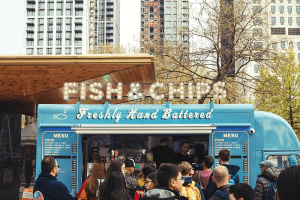
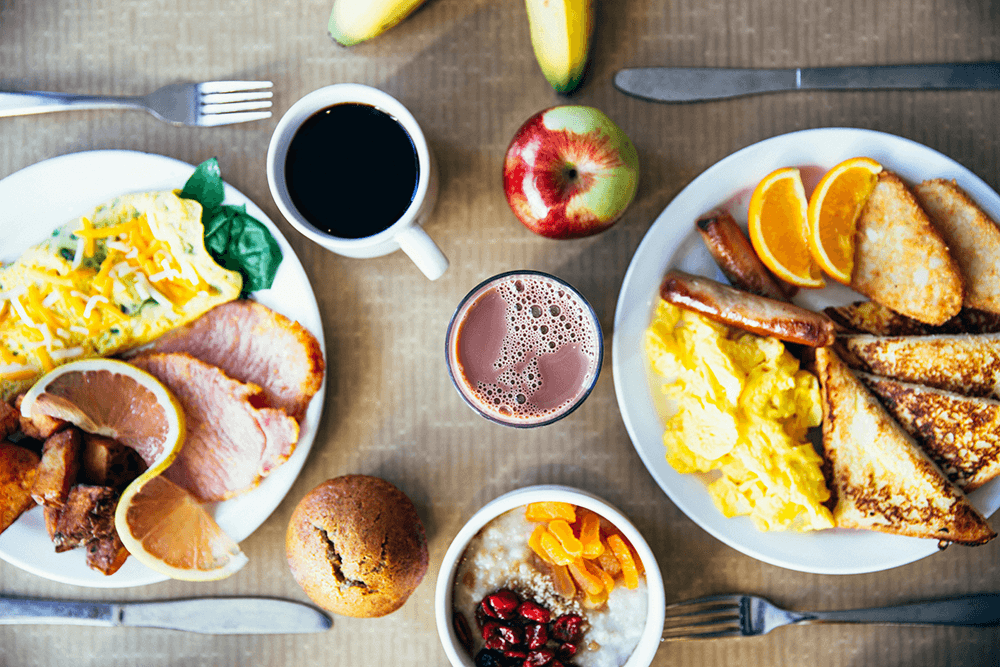
Outside cafés in Toronto, heaters glow against cool air while friends gather around small tables, coats draped casually over chairs. In New York, sidewalks fill with waiting lists forming before noon, conversations already animated despite the early hour. In Los Angeles, sunlight settles across patios where plates arrive decorated with color — avocado, citrus, eggs, pastries — food designed as much for sharing as eating.
Unlike traditional meals shaped by necessity, brunch exists purely because people wanted a reason to gather.
It is less a meal than a social agreement: the day will start slowly.
A Meal Without Obligation
Breakfast historically belonged to routine — eaten quickly before work. Lunch served productivity, fitting neatly between responsibilities. Dinner marked closure after long days.
Brunch appeared as something entirely different.
Emerging in late nineteenth-century urban culture and expanding dramatically during the twentieth century, brunch responded to changing lifestyles. Cities grew busier. Workweeks intensified. Weekends became precious spaces for recovery and connection.
People wanted meals that allowed conversation to unfold without structure.
Brunch answered that need by removing rules. It allowed sweet and savory dishes to coexist, coffee beside cocktails, casual clothing beside celebration. There was no correct way to participate.
The Rise of the Weekend Ritual
By the late twentieth century, brunch evolved into cultural ritual across major North American cities. Restaurants adapted dining rooms to encourage lingering rather than turnover. Menus expanded creatively, blending comfort foods with culinary experimentation.
Eggs Benedict appeared alongside pancakes. French toast met breakfast burritos. Fresh fruit balanced rich pastries. Plates felt indulgent yet familiar.
The meal encouraged exploration without risk.
Groups gathered after long weeks apart. Families reconnected. Friends shared stories delayed by busy schedules. The restaurant became extension of living room — public yet intimate.
Time slowed collectively.
Coffee, Conversation, and the Architecture of Comfort
Brunch spaces differ subtly from other dining environments. Lighting feels softer. Music remains present but unobtrusive. Tables are arranged to accommodate groups rather than individuals rushing through meals.
Servers understand instinctively that pacing matters.
Coffee arrives quickly, often before orders are finalized. Refills appear naturally, sustaining conversation as much as wakefulness. Guests talk through menus together, negotiating shared dishes and preferences.
Ordering becomes collaborative.
The atmosphere encourages storytelling — recounting recent experiences, planning future ones, laughing loudly without concern for formality. Meals stretch comfortably into afternoon hours.
The restaurant transforms into social stage.
Why Eggs Became the Symbol
Eggs dominate brunch menus not simply because they belong to breakfast tradition, but because they adapt endlessly. Scrambled, poached, fried, baked — eggs provide foundation for creativity without losing familiarity.
They bridge comfort and innovation.
Chefs layer flavors through sauces, herbs, and textures while diners recognize something reassuring beneath experimentation. Eggs allow indulgence without heaviness, satisfying appetite gently after slow mornings.
The ingredient reflects brunch itself: flexible, approachable, endlessly reinterpret-able.
The Cocktail That Changed Morning
Perhaps no symbol defines brunch more clearly than the arrival of daytime cocktails. Mimosas, Bloody Marys, and spritzes transformed the emotional tone of the meal.
Alcohol entered not as excess but as celebration.
Weekend brunch created social permission to relax publicly. Drinks felt lighter, balanced by citrus or spice, encouraging enjoyment without urgency. Glasses clinked softly across tables filled with laughter and shared plates.
The meal blurred boundaries between morning restraint and evening leisure.
Brunch became transition — from responsibility toward enjoyment.
What Travelers Notice First
Visitors often express surprise at how seriously North Americans treat brunch. Reservations become essential. Lines extend outside popular cafés. Entire neighborhoods revolve around weekend dining patterns.
Yet beneath popularity lies emotional necessity.
Urban life can fragment schedules and relationships. Brunch restores communal rhythm, offering predictable time for connection. The ritual reassures participants that despite busy lives, shared experiences remain possible.
Food provides structure for belonging.
Travelers quickly understand that brunch reveals more about North American culture than formal dinners ever could.
Bringing Brunch Home
cook dishes meant for sharing • combine sweet and savory freely • serve meals gradually rather than simultaneously • allow conversations to guide pacing
Brunch demonstrates that food culture evolves not only from tradition or innovation but from emotional necessity. When people needed space to reconnect within busy lives, they invented a meal designed entirely around presence. Travelers may arrive expecting food alone but leave understanding something deeper: meals matter most when they create time rather than consume it. In North America, brunch became the ritual that turned weekends into shared experience — proof that sometimes the most meaningful culinary traditions are the ones people create for themselves.