The Distance Between Meals
In North America, distance changes the meaning of food.
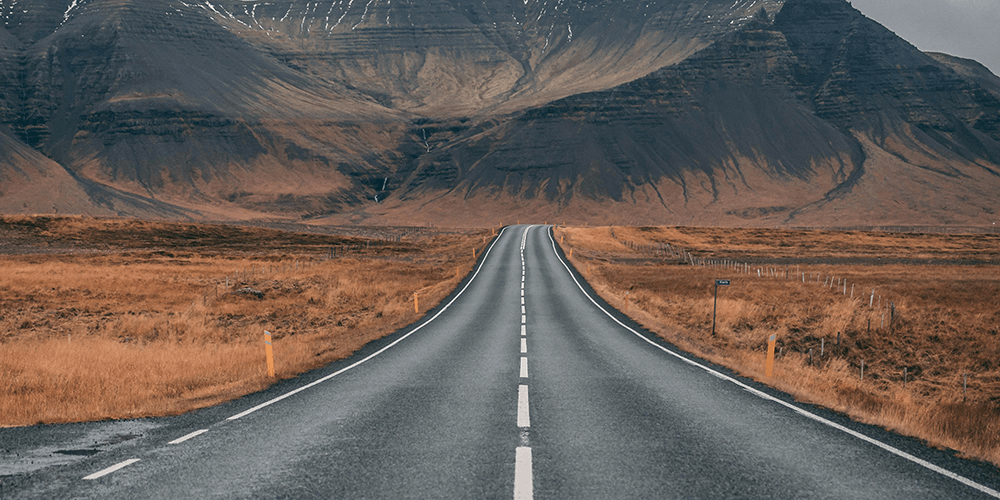
Cities do not simply sit beside one another; they stretch apart across plains, forests, deserts, and mountains measured not in minutes but in hours — sometimes days. Travel here has always required movement through vast spaces where familiarity disappears quickly and landscapes shift slowly outside car windows.
Long before airports connected major cities, highways defined exploration. Families packed cars at dawn, maps folded across dashboards, coolers filled with sandwiches and fruit prepared the night before. The road became both journey and destination, and somewhere along that journey, a new kind of food culture emerged.
Not regional cuisine tied to one place, but travel cuisine — food designed to comfort people passing through unfamiliar territory.
When the Highway Became Community
The expansion of highways during the twentieth century reshaped daily life across the United States and Canada. Roads connected rural towns to growing cities, allowing movement on a scale previously impossible. With movement came necessity: travelers needed places to eat, rest, and feel briefly at home.
Diners appeared first as practical solutions — simple establishments serving affordable meals quickly to workers, truck drivers, and families crossing long distances. Yet practicality alone did not explain their lasting appeal.
Inside diners, strangers occupied neighboring booths without hesitation. Coffee poured continuously, refilled without request. Menus remained large but familiar: eggs, burgers, meatloaf, pancakes, pie.
A traveler might drive hundreds of miles yet encounter the same warm greeting, the same smell of grilled onions, the same promise that somewhere along the road, nourishment and welcome waited.
The highway created a culture where hospitality became standardized but never impersonal.
The Ritual of the Diner
Coffee That Never Ends
Few symbols define North American road culture more clearly than the endless coffee refill. Servers move between tables with practiced awareness, topping cups almost automatically.
The gesture carries meaning beyond caffeine. It signals permission to stay — to rest, think, or simply exist without urgency.
Travelers linger longer than necessary, studying maps or watching rain gather outside wide windows overlooking parking lots filled with vehicles from distant states or provinces.
Movement pauses briefly.
Pie as Reward
Glass display cases hold pies rotating slowly beneath soft light: apple, cherry, pecan, blueberry. Dessert becomes ritual rather than indulgence, marking progress along the journey.
Ordering pie feels celebratory even without occasion. It acknowledges distance traveled and distance still ahead.
Food becomes milestone.
Conversation Between Strangers
Roadside dining encourages unexpected dialogue. Travelers exchange recommendations, weather warnings, or stories of where they have come from. Temporary communities form around shared movement.
The diner transforms anonymity into connection.
Truck Stops and Midnight Kitchens
While families dominated daytime travel, nighttime belonged to long-haul truck drivers moving goods across continents. Truck stops evolved into complex ecosystems offering showers, rest, and substantial meals served at all hours.
Menus expanded toward heartier dishes — fried chicken, mashed potatoes, chili, steak-and-eggs breakfasts served long after midnight.
These meals prioritized endurance.
Cooking adjusted to human need rather than traditional dining schedules. Kitchens remained active while cities slept, sustaining an invisible workforce responsible for keeping economies moving.
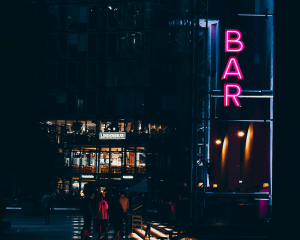
Late-night diners still carry this atmosphere — quiet conversations, soft neon light, the sense of existing temporarily outside ordinary time.
Regional Identity Along the Road
Though diners created consistency, highways also introduced travelers to regional specialties that defined local pride.
Barbecue styles shifted dramatically between states, each claiming authenticity. Clam chowder changed character between coastal regions. Canadian roadside stops introduced poutine and butter tarts to travelers unfamiliar with local comfort foods.
Discovery became part of travel’s reward.
The road encouraged culinary curiosity. A dish encountered unexpectedly often became memory attached permanently to place — a small restaurant remembered more vividly than landmarks themselves.
Fast Food and the Democratization of Eating
As highways expanded further, fast-food chains emerged, offering predictability across enormous distances. While often criticized for uniformity, these establishments reflected a uniquely North American solution to scale.
Standardization allowed travelers confidence in unfamiliar surroundings.
Families knew what children would eat. Travelers managed tight schedules. Meals became efficient without eliminating shared experience entirely.
Yet even within uniformity, local adaptations appeared — regional menu variations quietly preserving identity beneath corporate structure.
The tension between consistency and individuality mirrored broader cultural dynamics across the continent.
Motels, Breakfasts, and Morning Departures
Road travel shaped not only dinner but breakfast culture. Motels offered early morning meals designed for departure — waffles, toast, cereal, coffee consumed quickly before returning to the road.
Morning meals carried anticipation rather than reflection.
Travelers watched weather forecasts while planning routes. Maps unfolded again. Conversations centered on distance remaining rather than distance completed.
The ritual repeated across generations, embedding itself deeply into collective memory.
The Emotional Role of Road Food
Perhaps the most powerful aspect of highway cuisine lies in its emotional function. Long journeys create vulnerability — unfamiliar environments, fatigue, uncertainty.
Food restores stability.
A warm meal reassures travelers that comfort exists even far from home. Familiar dishes reduce anxiety. Friendly service creates temporary belonging.
Many travelers later struggle to describe why certain meals remain unforgettable. Often it is not the food alone but the context — relief after long driving hours, laughter shared inside cramped booths, storms watched safely through windows.
Memory seasons flavor.
The Modern Road Trip Revival
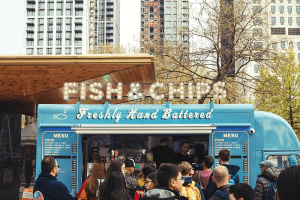
In recent years, road travel has experienced renewed popularity. Travelers seek slower exploration, choosing scenic routes over efficiency. Independent cafés, food trucks, and small-town restaurants thrive as curiosity replaces convenience.
Social media may guide destinations, yet discovery still depends on chance encounters — a bakery found unexpectedly, a barbecue stand recommended by locals, a pie shop appearing just as hunger returns.
The spirit of the road endures.
New generations reinterpret highway food culture while preserving its essence: accessibility, comfort, and openness.
Bringing the Road Home
Recreating road trip cooking at home involves atmosphere as much as recipes. Meals inspired by travel emphasize warmth and familiarity.
serve generous portions meant for sharing • prioritize comfort over presentation • allow meals to feel relaxed and informal • cook dishes that welcome conversation
Food becomes gathering point rather than performance.
Travel Notes: Eating the Highway Well
Look for parking lots filled with local vehicles rather than tourist buses.
Early mornings and late evenings reveal true road culture.
Ask servers what regular customers choose — the answer often defines the place.
Why Highways Changed Food Forever
The North American highway created a new culinary category: food designed for transition. Neither home cooking nor destination dining, roadside cuisine exists to support movement while preserving comfort.
It reflects a continent built on exploration and migration.
Meals became bridges between places, allowing travelers to carry familiarity across enormous distances.
Road trip food reminds travelers that cuisine does not always belong to fixed geography. Sometimes it belongs to the journey itself — to moments between destinations where strangers share temporary community. The highway teaches that eating well is not only about where one arrives, but how one travels. And somewhere along long stretches of road, beneath neon lights and endless sky, food becomes proof that even in motion, people search for the same thing: warmth, connection, and a place to pause before continuing forward.