The Moment Before Taste
In many Asian kitchens, cooking begins long before heat touches a pan. Ingredients are arranged deliberately — bowls aligned within reach, sauces measured not by tools but by memory, knives moving with quiet precision across wooden boards worn smooth by repetition.
Nothing appears rushed, yet everything moves quickly.
A wok heats until invisible currents of air shimmer above its surface. Oil follows. Aromatics release fragrance instantly, transforming the atmosphere of the room before diners even see the dish. Cooking unfolds as a sequence of decisions measured in seconds rather than minutes.
To an observer, the process can feel almost instinctive. Yet behind each movement lies an underlying principle shared across diverse Asian cuisines: balance.
A Different Way of Thinking About Taste
Western cooking often develops flavor through layering — adding richness, intensifying sauces, or combining multiple techniques to create complexity. Many Asian culinary traditions approach flavor differently. Instead of building upward, they build outward, balancing contrasting elements simultaneously.
Sweet softens salt. Acid brightens richness. Heat awakens aroma. Bitterness grounds sweetness. Umami binds everything together.
No single flavor dominates for long.
This philosophy appears across regions despite vast cultural differences. Thai cuisine balances sweet, sour, salty, and spicy in a single bite. Japanese cooking refines subtlety through restraint. Chinese regional cuisines emphasize harmony between texture, aroma, and taste. Vietnamese dishes combine freshness and depth through herbs layered over warm broths.
Balance becomes the invisible structure beneath every meal.
Harmony Beyond Ingredients
Yin and Yang at the Table
Traditional Chinese culinary philosophy often reflects broader concepts of balance found in medicine and philosophy. Foods are understood through energetic qualities — warming or cooling, nourishing or stimulating — encouraging meals that restore equilibrium within the body.
A spicy dish may be paired with cooling vegetables. Fried foods appear alongside fresh herbs. Soups accompany heavier courses.
The meal itself becomes a system designed for harmony.
Seasonality and Environment
Asian kitchens respond closely to climate. Humid regions favor bright herbs and acidity. Colder climates emphasize fermentation and preservation. Seasonal changes influence cooking methods as much as ingredients.
Balance extends beyond flavor into adaptation.
Cooking aligns with environment rather than resisting it.
The Role of Texture
Balance in Asian cuisine includes more than taste. Texture plays equal importance.
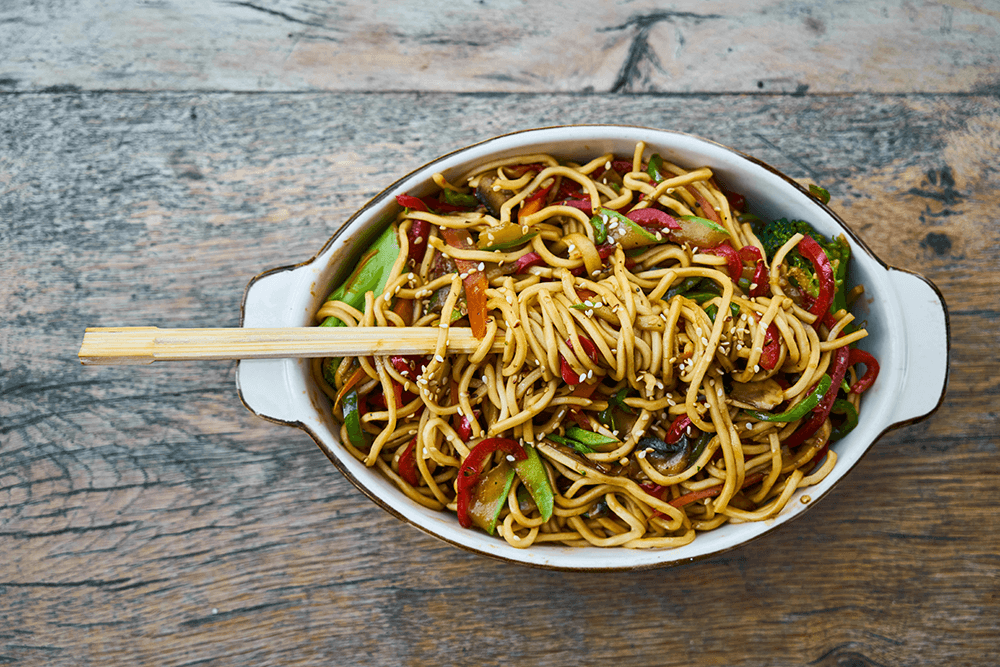
Crunch contrasts softness. Silkiness meets chewiness. Crisp vegetables accompany tender meats. Noodles provide resistance while broths offer comfort.
A single dish may intentionally include multiple textures to sustain interest throughout the meal.
This approach transforms eating into sensory experience rather than simple nourishment. Each bite changes slightly, preventing monotony.
Texture becomes flavor’s partner.
Heat as Precision, Not Aggression
High heat defines many Asian cooking techniques, particularly stir-frying. Yet the purpose is not intensity alone but control.
Cooking occurs quickly to preserve freshness and natural character. Vegetables remain vibrant. Proteins stay tender. Sauces coat lightly rather than overwhelm.
Timing replaces complexity.
The wok becomes an instrument requiring responsiveness. Ingredients enter and exit rapidly, guided by sound, aroma, and visual cues.
Mastery emerges from awareness rather than force.
The Quiet Power of Fermentation
Across Asia, fermentation contributes depth that balances freshness. Soy sauce, miso, fish sauce, kimchi, and pickled vegetables introduce umami and acidity developed over time.
These ingredients function like culinary memory — flavors shaped slowly before entering the kitchen.
Fermentation allows simple dishes to achieve complexity without heavy preparation. A few drops of sauce or a small portion of pickled vegetables can transform an entire meal.
Balance exists not only within the moment of cooking but across time itself.
What Travelers Notice First
Visitors often struggle initially to identify why Asian dishes feel satisfying without heaviness. Meals appear lighter yet deeply flavorful. Portions encourage sharing rather than individual consumption.
The answer lies in equilibrium.
Fresh herbs refresh the palate continuously. Acidity prevents richness from becoming overwhelming. Rice anchors bold flavors gently. Broths hydrate while nourishing.
Diners leave satisfied rather than fatigued.
The experience reshapes expectations of fullness — satisfaction arrives through harmony rather than abundance.
Eating as Collective Experience
Many Asian meals emphasize shared dining. Dishes arrive simultaneously and are placed centrally, allowing diners to compose individual bites according to preference.
Balance becomes interactive.
Each person adjusts flavor combinations naturally, adding chili, herbs, or sauces as desired. The meal evolves through participation rather than fixed presentation.
Conversation flows alongside food, reinforcing connection between diners.
Eating becomes collaborative creation.
Lessons Hidden in Everyday Cooking
Asian kitchens demonstrate that extraordinary flavor does not require complexity. Instead, attention to proportion creates depth.
Small adjustments matter:
- a squeeze of lime at the end of cooking
- fresh herbs added moments before serving
- contrasting textures introduced intentionally
- seasoning adjusted gradually rather than all at once
Cooking becomes responsive rather than rigid.
The process encourages intuition.
Bringing Balance Into the Home Kitchen
Adopting Asian flavor philosophy begins with awareness rather than authenticity concerns.
Start by thinking in contrasts:
- pair rich foods with acidity
- add freshness to cooked dishes
- balance spice with sweetness
- include texture variation intentionally
Cooking shifts from following recipes exactly to understanding relationships between ingredients.
Even familiar dishes gain new dimension when approached through balance.
Travel Notes: Understanding Flavor Across Asia
Where Balance Is Most Visible
- Thai night markets
- Japanese ramen counters
- Vietnamese street kitchens
- Korean barbecue tables
What to Observe
- Herbs added at the final moment
- Condiments used for customization
- Meals designed for sharing
Dining Insight
Taste slowly. Notice how flavors evolve rather than arriving all at once.
Observation reveals philosophy.
Why Balance Resonates Globally
As global dining evolves, many chefs increasingly adopt Asian principles of harmony. Modern cuisine moves away from heaviness toward clarity, freshness, and contrast — ideas long embedded within Asian culinary traditions.
Balance feels modern because it sustains energy rather than overwhelming it.
The philosophy aligns naturally with contemporary desires for wellness, sustainability, and mindful eating without sacrificing pleasure.
Asian kitchens teach that cooking is less about control and more about listening — to ingredients, environment, and diners themselves. Balance emerges when attention replaces excess.
Travelers often return home searching for specific flavors, only to discover that the deeper lesson lies in proportion: understanding when enough has been achieved.
In mastering balance, cooking becomes quieter yet more expressive, revealing how harmony — not intensity — creates lasting satisfaction.