Before the Heat Arrives
If you’ve ever woken up in Southeast Asia and wondered why the streets already sound busy—this is why. The real food day starts before the sun fully commits.
It’s still that soft, half-night hour when scooters roll in quietly, baskets hooked over handlebars like they’re carrying treasure (because they are). Vendors lift tarps. Someone drags a table into place. A bulb flickers on. And then, almost instantly, the calm dissolves into motion.
The air is cool for about five minutes. That’s not an exaggeration—there’s a brief, precious window before humidity and heat take over. In that window, markets wake up first.
By dawn, it’s already alive: knives tapping wood in a rhythm you can follow without thinking, steam rising from pots that have been going since “too early,” herbs getting rinsed and snapped, bundles of morning glory and basil piled like green fireworks. The smell hits you before you see anything—grill smoke, garlic, lemongrass, fish sauce warming up somewhere in the distance, rice in every form imaginable.
And that’s the thing: in Bangkok, Hanoi, Ho Chi Minh City, Kuala Lumpur—and in smaller towns where tourists barely land—food culture doesn’t begin in restaurants. It begins here. Moving. Trading hands. Becoming breakfast.
A Living System, Not a “Place to Visit”
It’s easy to treat markets like a travel checklist item—show up, take photos, buy something cute, leave. But Southeast Asian markets aren’t designed to be “destinations.” They’re working systems.
They connect farmers to families, fishermen to noodle stalls, aunties who cook at home to the vendors who feed entire blocks. Ingredients arrive close to harvest and catch—sometimes hours. Sometimes still warm from the field. Sometimes still smelling like the sea.
And unlike supermarkets (where everything looks the same in every aisle, all year), these markets change constantly. The season shifts, the weather turns, a crop comes in heavy, the ocean is rough for a few days—and the tables tell that story immediately.
What’s on the counter today might be gone tomorrow. Not because anyone is “sold out,” but because the day’s reality changed.
So cooking adapts. Home cooks plan after they see what’s available. Street vendors adjust without drama. It’s flexible, practical, and kind of freeing.
Freshness is the luxury here. Not packaging. Not branding. Freshness.
The Morning Meal
Breakfast as Foundation
Breakfast in Southeast Asia isn’t a granola bar on the way out the door. It’s real food. Warm food. Food with depth—broth, spice, herbs, smoke. It’s the meal that sets the tone.
In Vietnam, pho broth simmers like a slow heartbeat. In Thailand, rice porridge (jok) arrives topped with ginger, herbs, and little hits of pepper that wake you up gently. In Malaysia, nasi lemak shows up wrapped in banana leaf like a gift—coconut rice, sambal, peanuts, egg, whatever else the day decided to offer. In Indonesia, nasi goreng hits you with sweet soy and heat before you’ve even had coffee.
It’s not heavy in the way you expect, but it’s grounding. Like someone’s saying: here—start your day properly.
Eating in Motion
You’ll see people eating standing up, leaning against a counter, or perched on tiny plastic stools that look like they were made for children. It’s casual, but it’s not careless.
Regulars show up without thinking. The vendor already knows the order. There’s small talk, quick laughs, a nod to someone you’ll see again tomorrow at the same hour.
It’s efficient, yes—but it’s also community. Breakfast isn’t just fuel. It’s a daily social thread that keeps the neighborhood stitched together.
The Sensory Landscape (This Is Why You Remember It)
Markets are intense—in the best way. They don’t ask politely for your attention. They take it.
Color hits first: towers of dragon fruit, mangoes glowing like sunrise, chilies scattered like jewelry, herbs bundled tight, wet greens shining. Then sound: prices called out, metal scraping, plastic bags snapping, laughter mixing with scooter engines.
And smell—always smell. Smoke from grilled meat that’s been marinating overnight. Coconut milk warming in big pans. Lime being cut, releasing that sharp bright scent that makes your mouth react before your brain catches up. Lemongrass everywhere. Fermented things that smell wild until you taste them and suddenly understand.
Even touch matters. You’ll watch vendors press a mango to check softness, tap a fish with a practiced finger, inspect herbs leaf by leaf like they’re reading them.
Cooking starts here, long before any stove.
Vendors as Specialists (The Quiet Masters)
One of my favorite things: how many vendors do one thing, and do it forever.
There’s the noodle person whose broth tastes the same every morning because they’ve been making it for twenty years. The fruit seller who can tell you which mango is sweetest without looking twice. The woman who only makes one type of dumpling—perfectly—because that’s her craft.
Specialization creates mastery. And mastery creates trust.
Most of this knowledge isn’t written down. It’s adjusted daily: humidity changes the crispness of herbs, a batch of chilies hits harder than last week, fish sauce is a little saltier today, rice is a touch drier. So they compensate. Quietly. Instinctively.
The relationship is reciprocal: vendors feed the neighborhood, the neighborhood keeps them in business. It’s not transactional in the cold sense—it’s familiar, dependable, almost family-like.
Markets and Street Food Are the Same River
In Southeast Asia, the line between “market” and “street food” barely exists.
The herbs that hit the tables at dawn show up a few hours later on a plate of noodles. Seafood bought fresh in the morning becomes lunch by noon. Greens stay crisp because they didn’t spend days traveling. Basil is still alive when it lands in your bowl.
Markets supply the streets. Streets feed the city. And because the cycle is so immediate, the food tastes…awake.
This is why street food can be so good here. It isn’t magic. It’s infrastructure. Strong markets make strong street food.
What Travelers Notice First
Honestly? A lot of people feel overwhelmed the first time. Markets can feel crowded, humid, fast, and loud. You don’t know where to walk. You don’t know what to point at. Money moves quickly. Language feels like a blur.
But if you stop trying to “do it right” and just watch, you’ll see the rhythm.
Regulars move like they’ve memorized the map. Vendors anticipate orders without talking. Everyone knows the choreography. It looks chaotic until you realize it’s organized by familiarity, not signage.
And if you go back—two mornings in a row—you’ll notice how the market changes. Different fruit. New greens. A dish you didn’t see yesterday. Weather shifts and suddenly there’s more soup, less grilling. It becomes readable over time.
Understanding grows through repetition, not speed.
Climate and Timing
There’s a practical reason markets start so early: heat.
Midday cooking in much of Southeast Asia can be brutal. So food prep happens in the cooler hours. You feel it in the energy—morning is productive, fast, full of purpose. By afternoon, things either slow down or shift into a different form.
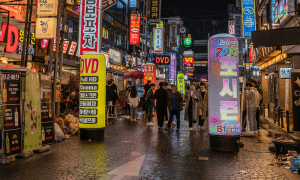
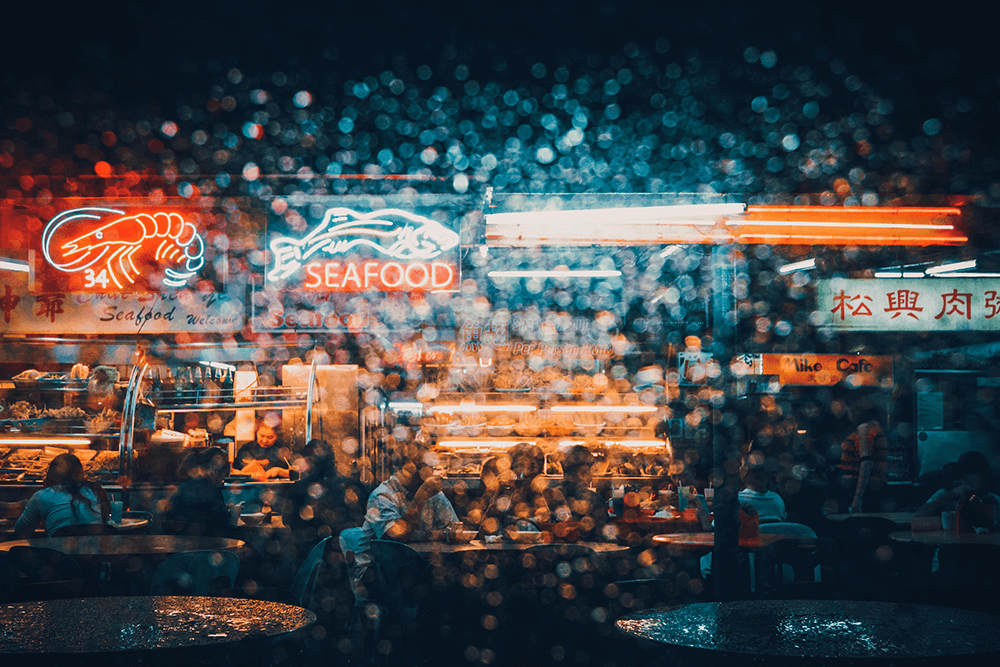
Many markets transform into evening food streets—new lights, new smells, different mood. The day keeps orbiting food, but the atmosphere changes.
Climate shapes cuisine quietly, like an invisible hand guiding when and how people cook.
Lessons in Simplicity
Here’s what surprised me the most: how “simple” the cooking looks, and how deep it tastes.
Market food isn’t about complicated technique for its own sake. It’s about clarity. Fresh herbs. Balanced sauces. Quick cooking that protects the ingredients instead of flattening them.
A noodle soup might have only a handful of components, but each one is precise. Garnishes go on at the last second so they stay bright. Broths carry depth from long simmering, then get lifted by lime, chili, herbs—freshness on top of patience.
It feels effortless because the ingredients show up already at their best.
Bringing Market Inspiration Home
You can’t recreate a Bangkok wet market in Calgary (trust me), but you can bring home the philosophy.
Shop more often, even if it’s smaller. Let what looks good decide the menu. Use herbs like they matter—because they do. Prep everything before you turn on the heat. Cook fast once you start. Finish with something fresh.
Small habits that make a big difference:
- prepare ingredients before heating pans
- finish dishes with fresh elements (lime, herbs, chili, scallions)
- prioritize freshness over complexity
- cook confidently and serve immediately
It changes your kitchen rhythm. It makes cooking feel alive instead of scheduled.
Travel Notes: Experiencing Markets at Dawn
Cities Known for Morning Markets
- Hanoi’s Old Quarter
- Bangkok’s local wet markets
- Ho Chi Minh City neighborhood markets
- Penang street markets
Best Time to Visit
- Between 5:30 AM and 8:00 AM for the real thing
How to Experience Fully
- Arrive early, before the rush becomes a wave
- Watch what locals order for breakfast (then order that)
- Taste one unfamiliar fruit—every morning if you can
- Follow aromas instead of Google Maps
Participation turns “seeing” into understanding.
Why Markets Define Southeast Asian Food Culture
Markets show food culture without makeup. No plating performance. No curated experience. Just daily nourishment, done with skill and speed, built on community.
They demonstrate how cuisine lives inside routine, not special occasions. Ingredients move directly from producer to plate. Generations keep returning to the same vendors, the same flavors, the same early-morning rituals.
The market is continuity. It’s local memory, repeated daily.
Southeast Asian markets taught me that great cooking begins with awareness—of time, climate, and the people around you. Watching a city wake up through food is one of the most honest ways to understand it.
And it’s funny: travelers often remember these mornings more vividly than the “must-see” landmarks. Steam rising against sunrise. Strangers sharing breakfast without saying much. A flavor experienced before the day fully begins.
At dawn, markets aren’t just busy—they’re alive. And in that quiet early energy, food becomes the pulse of the culture preparing itself for another day.