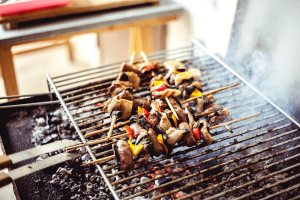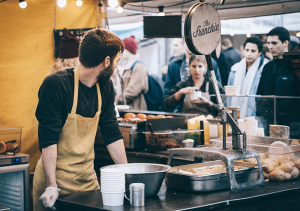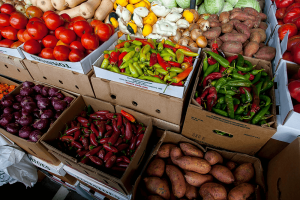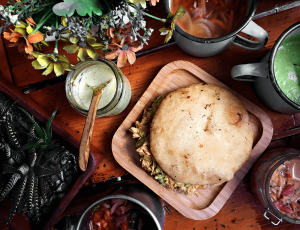
Across Asia, the finest meals are often found not behind reservations or velvet curtains, but beside sidewalks alive with heat, motion, and memory — where cooking becomes performance and the street itself becomes the dining room.
Where the Kitchen Meets the Street
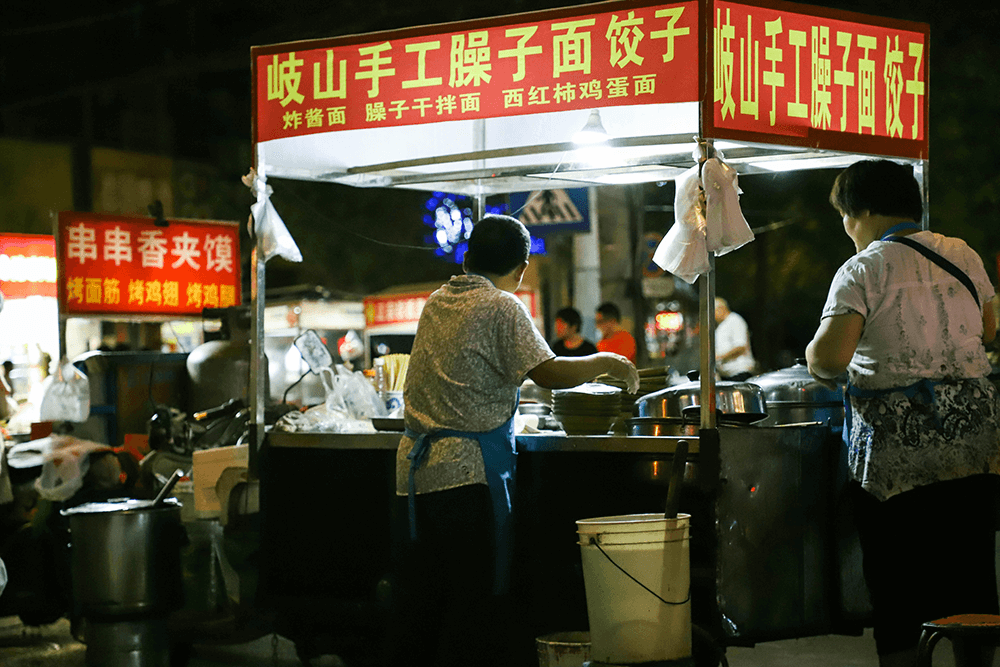
Long before restaurant lights illuminate city avenues, food in much of Asia is already awake. Steam rises from metal carts rolling into position at dawn, oil crackles inside shallow woks balanced over portable burners, and plastic stools appear along sidewalks as naturally as morning sunlight. The boundary between kitchen and city dissolves completely, until it becomes impossible to tell where one ends and the other begins.
Cooking happens in public view.
In Bangkok, vendors prepare noodles inches from passing traffic. In Tokyo, narrow counters seat only a handful of guests, each movement precise and quiet. In Hanoi, entire meals unfold on sidewalks where strangers share space effortlessly, connected by bowls of broth and the rhythm of daily life. Travelers expecting excellence to hide behind formal doors realize quickly that some of the most extraordinary food exists in plain sight.
Here, mastery is measured not by luxury, but by repetition.
The Origins of Street Cooking
Street food across Asia developed from necessity rather than trend. Dense cities, limited domestic kitchens, and long working hours encouraged communities to cook collectively rather than individually. Vendors specialized in single dishes perfected over decades, sometimes generations, refining technique not through experimentation, but through constancy.
Preparing the same dish hundreds of times daily shapes instinct beyond instruction. Knowledge shifts from recipe to muscle memory. Consistency becomes identity, and identity becomes trust.
Families return to the same stalls year after year, drawn not by novelty, but by reliability. Street food becomes livelihood and preservation at once — cultural memory served one plate at a time.
Precision Through Repetition
The One-Dish Philosophy
Many vendors sell only one or two dishes, and that limitation becomes their strength. A ramen shop may dedicate itself to a single broth style; a Bangkok stall may prepare only pad thai; a hawker in Singapore may cook one rice dish for decades. Focus narrows variation and sharpens refinement until each movement feels inevitable.
Timing becomes instinctive. Portions remain consistent. Flavor reaches equilibrium through thousands of repetitions. The dish stops being assembled and begins being performed.
Speed Without Chaos
Despite constant motion, street kitchens rarely feel frantic. Ingredients are prepped with discipline, heat adjusts intuitively, and orders move quickly without urgency. Efficiency emerges from familiarity rather than pressure, and the calm becomes visible to anyone who pauses long enough to observe.
The choreography rivals fine dining — only stripped of spectacle.
Flavor Built on Balance
Asian cuisines often pursue harmony rather than dominance. Sweet, sour, salty, bitter, and umami coexist simultaneously, creating balance rather than sequence because street food must satisfy immediately. A bowl of Vietnamese pho holds aromatic herbs against deep broth; Thai dishes weave acidity and heat effortlessly; Japanese street snacks rely on texture as much as taste, allowing crunch and softness to shape experience as much as seasoning does.
Nothing overwhelms. Everything contributes.
Unlike elaborate tasting menus, street food achieves depth through equilibrium. Each ingredient performs a precise role, creating clarity instead of complexity. Flavor feels complete the moment it arrives.
The Social Energy of Eating Outdoors
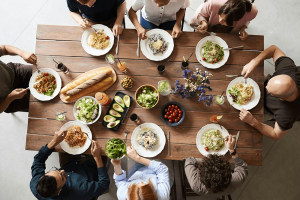
Street food transforms cities into communal dining rooms. Office workers, students, and families gather side by side regardless of background, sharing plastic tables and brief conversations before returning to their routines. Seating remains informal, encouraging interaction between strangers who might otherwise never meet.
Sounds form part of the experience — sizzling pans, vendors calling orders, laughter blending with traffic noise. Aromas drift through entire neighborhoods, guiding diners instinctively toward stalls long before signage appears. Meals integrate into urban life rather than separating from it.
Food becomes the shared language.
What Travelers Notice First
Visitors often expect lower prices to signal lower quality. Instead, they encounter remarkable freshness and technical precision. Ingredients turn over rapidly due to constant demand, and preparation happens moments before serving. Without elaborate décor, focus shifts entirely toward flavor.
Locals trust street vendors deeply. Long lines signal reliability. Reputation spreads through community rather than marketing, and observing where residents choose to eat becomes the best guide for travelers.
Confidence replaces hesitation.
Hygiene, Trust, and Tradition
Modern perceptions sometimes associate street food with risk, yet experienced vendors maintain practices developed through necessity. Fresh ingredients, rapid turnover, and continuous cooking reduce storage time significantly. Preparation remains visible, reinforcing accountability and strengthening neighborhood trust.
Cleanliness becomes reputation.
Lessons Hidden in the Street
Street food reveals a broader philosophy about culinary excellence: greatness does not depend on exclusivity. Fine dining celebrates innovation, while street food celebrates refinement. Both pursue perfection, but through different paths shaped by environment and purpose.
Mastery lies in attention — repeating small actions until they become instinctive, allowing cooking to transform into craft.
Bringing the Street Food Spirit Home
Recreating the atmosphere of a night market may be impossible, but its principles translate easily. Cook with focus rather than excess variety. Choose one dish and refine it repeatedly. Balance flavors intentionally instead of adding ingredients without purpose.
Adopt habits inspired by street cooking:
- Prepare ingredients fully before cooking
- Cook at high heat with confidence
- Serve food immediately
- Prioritize freshness over complexity
Travel Notes: Experiencing Street Food Across Asia
Cities Known for Street Food Culture
- Bangkok for vibrant night markets
- Tokyo for precision-focused stalls
- Hanoi for sidewalk dining traditions
- Singapore for organized hawker centers
How to Choose Where to Eat
- Look for busy stalls
- Observe ingredient freshness
- Follow local crowds rather than tourist signs
THE OVENSOURCE PERSPECTIVE
Asian street food reminds travelers that culinary greatness often exists closest to everyday life. When cooking moves into public space, food reconnects with community, rhythm, and immediacy. Extraordinary meals do not require elaborate kitchens — only dedication repeated daily with care.
In the movement of the street — the steam, the sound, the shared tables — food returns to its original purpose: nourishing both body and collective experience.
COOK THE EXPERIENCE AT HOME
- Quick Wok Cooking Techniques
- Balanced Sauce Foundations
- Homemade Noodle Preparations
- Skewered Grilling Methods