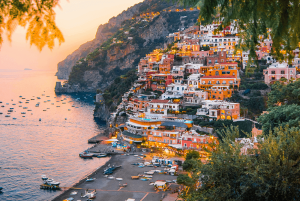
Before menus are written and before chefs light their stoves, European cooking begins somewhere quieter — beneath striped awnings, inside iron-and-glass halls, and along narrow streets where the day’s ingredients arrive still carrying traces of soil and sea. The market awakens first, and everything else follows.
The City Before Breakfast
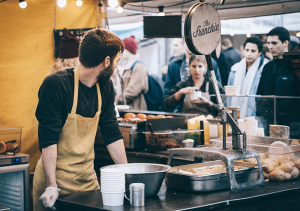
Long before restaurant doors open and dining rooms glow with evening light, European cities begin their culinary day in softer tones. Wooden crates land gently on stone pavement. Fishmongers arrange silver-skinned catches over crushed ice. Bakers deliver bread whose warmth escapes into cool morning air. Conversations begin low and familiar, not yet crowded by tourists or afternoon urgency.
The market awakens first.
In these early hours, cooking exists not as performance but as preparation. Decisions about lunch and dinner are made not by recipe but by observation — what looks best, what smells right, what the season has quietly chosen to offer that day. To understand European food culture fully, one must begin here, before the restaurant, before the plate, before heat touches a pan.
Markets as Culinary Foundations
Across Europe, markets historically functioned as the true centers of food culture. Long before refrigeration and global supply chains, communities depended on local growers and fishermen. Availability dictated cuisine. Seasonality was not philosophy — it was survival.
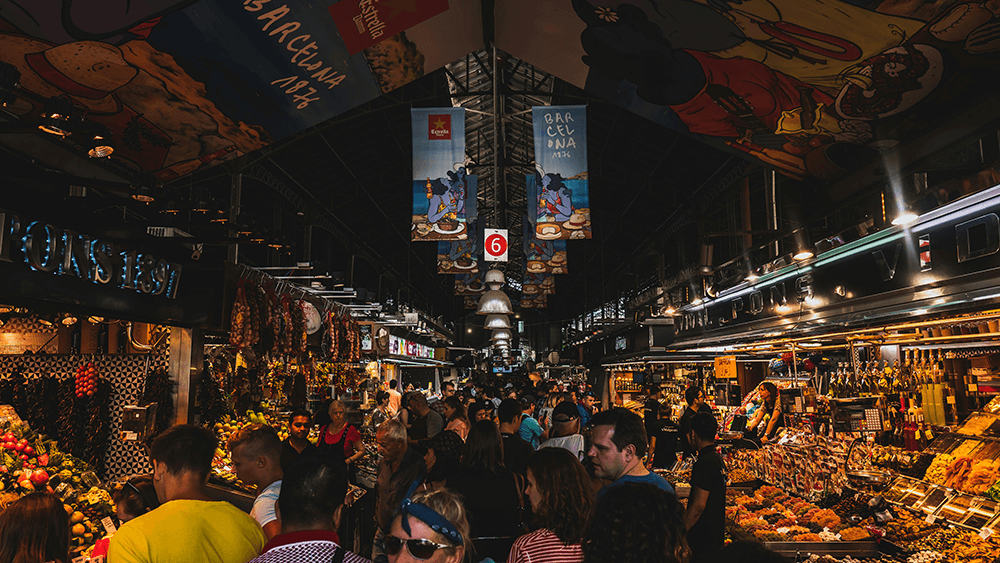
This dependence shaped cooking habits that endure today. In Italy, daily shopping remains common. Refrigerators exist, yet many households still purchase ingredients for immediate use. French markets operate as weekly rituals that gather entire neighborhoods. Spanish mercados blend commerce and social life, combining produce stalls with tapas counters where shoppers pause mid-morning.
Ingredients come first. Recipes follow.
Markets influence not only what people cook but how they think about food. Flexibility becomes skill. Adaptation becomes instinct.
The Sensory Education of the Market
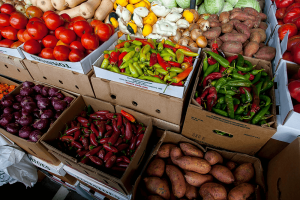
Walking through a European market teaches cooking without instruction. Colors indicate ripeness. Aromas reveal freshness. Vendors offer small tastes, encouraging trust between buyer and producer. Unlike supermarkets designed for uniformity, markets celebrate variation. Tomatoes differ in size and shape. Cheese shifts subtly week to week. Seafood availability responds to weather rather than demand.
These irregularities educate the cook. Rather than seeking identical ingredients year-round, shoppers adapt meals to circumstance. Conversation becomes ingredient — advice about how to prepare a cut of fish, which vegetables complement one another, when fruit will reach peak sweetness.
The act of buying food becomes collaborative.
Markets Across Europe: Different Expressions, Same Spirit
Italy: The Daily Ritual
Italian markets emphasize immediacy. Produce glows with seasonal intensity — artichokes in spring, tomatoes in summer, mushrooms in autumn. Shoppers move deliberately, visiting multiple stalls rather than completing purchases quickly. Meals feel connected to the day itself.
In Bologna or Florence, chefs shop alongside home cooks, reinforcing shared culinary values between professional and domestic kitchens. The boundary between restaurant and home dissolves at the produce stand.
France: Precision and Pride
French markets reflect regional identity through specialization. Cheese vendors display dozens of varieties matured carefully over time. Butchers present cuts prepared with remarkable precision. Bread arrives multiple times throughout the morning to preserve warmth and texture.
Presentation here is respect.
Shopping becomes appreciation — not of extravagance, but of craftsmanship shaped through repetition.
Spain: Markets as Social Life
Spanish mercados combine commerce and leisure seamlessly. Counters serve tapas and wine, allowing shoppers to eat while gathering ingredients. The boundary between market and restaurant disappears entirely.
Food preparation begins while shopping continues, reinforcing the idea that cooking belongs within daily life rather than separate from it.
What Travelers Notice First
Visitors often feel overwhelmed at first. Markets appear busy and unfamiliar. Prices may not be clearly labeled. Transactions move quickly in local languages. Yet observation reveals underlying rhythm.
Regular customers follow patterns. Vendors greet shoppers by name. Recommendations replace written instruction. Gradually, the environment shifts from intimidating to welcoming.
Shopping becomes experience rather than task.
Travelers who linger discover that markets slow perception. Attention shifts from efficiency toward curiosity. Ingredients invite exploration rather than passive selection.
The Influence on European Restaurants
Many celebrated European restaurants begin their day in markets. Chefs design menus based on availability rather than rigid planning. Seasonal dishes emerge naturally because ingredients dictate possibility.
This explains why menus change frequently and why certain dishes appear briefly, then disappear. Freshness determines creativity. The market provides inspiration; the kitchen provides interpretation.
The plate becomes a story of place.
Understanding this relationship changes how travelers experience dining. A dish no longer feels isolated but connected — to farmers, fishermen, and artisans whose work began long before service started.
Seasonality as Quiet Luxury
Markets teach a lesson often overlooked in modern food culture: luxury lies in timing. Strawberries taste extraordinary when eaten during their natural season precisely because they are temporary. Mushrooms feel special because they arrive briefly. Anticipation sharpens appreciation.
European markets preserve this rhythm by resisting constant availability. Absence becomes meaningful. Travelers begin to recognize seasons not through calendars but through ingredients appearing and disappearing across stalls.
Food reconnects people to natural cycles.
Bringing Market Culture Home
While few places replicate European markets perfectly, their philosophy translates easily. Choosing ingredients based on freshness rather than predetermined recipes transforms cooking into creative process. Planning meals after shopping rather than before allows intuition to guide decisions.
Cook with a market mindset:
- Plan meals after selecting ingredients
- Speak with local vendors whenever possible
- Embrace seasonal limitations
- Cook simply to highlight natural flavor
Recipes inspired by market cooking:
- Rustic Vegetable Soup
- Seasonal Tomato Salad
- Fresh Herb Pasta
- Roasted Market Vegetables with Olive Oil
Travel Notes: Experiencing European Markets
Markets Worth Visiting
- Mercato Centrale, Florence
- Marché Bastille, Paris
- La Boqueria, Barcelona
- Naschmarkt, Vienna
Best Time to Go
- Early morning for authenticity
- Mid-morning for atmosphere
- Weekdays for local rhythm
How to Experience Fully
- Walk the entire market before buying
- Observe what locals purchase
- Taste whenever offered
- Allow ingredients to guide meals
THE OVENSOURCE PERSPECTIVE
European cooking begins not with recipes but with attention. Markets teach cooks to trust senses, adapt to seasons, and value simplicity over perfection. Travelers often return home searching for identical ingredients, yet the deeper lesson lies in approach.
Great cooking starts long before heat touches a pan — it begins with curiosity, observation, and respect for what the day provides.
In the quiet hours of the market, beneath striped awnings and morning light, Europe’s culinary identity renews itself daily.
COOK THE EXPERIENCE AT HOME
- Seasonal Vegetable Pasta
- Simple Olive Oil Dressings
- Fresh Tomato Bruschetta
- Herb-Based Sauces and Condiments