In the Mediterranean, food isn’t something you “fit in.” It’s the thread that holds the day together — the reason windows open early, markets wake gently, and evenings stretch longer than planned. Health is the quiet result, but celebration is the intention.
Morning Light and Open Windows
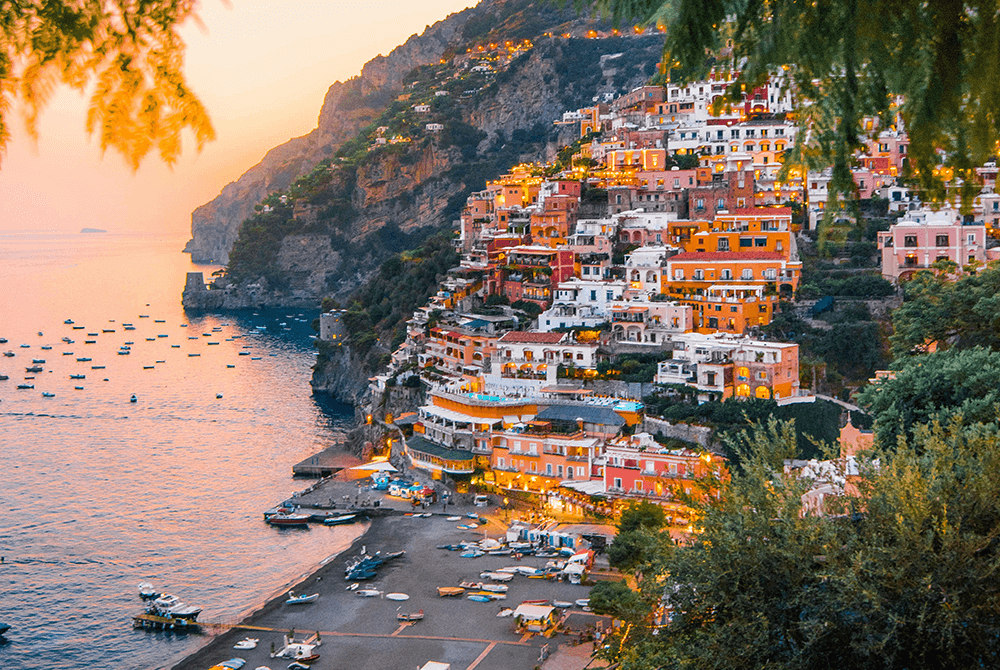
In Mediterranean towns, the day rarely begins in a hurry. Windows open before alarms sound, letting in air scented faintly with sea salt, citrus trees, and warm stone already absorbing sunlight. Markets awaken gradually. Bakers arrange loaves still warm from ovens. Cafés prepare for regulars who arrive not because they must, but because routine itself holds meaning.
Life unfolds outdoors whenever possible. Conversations start early and continue easily, often returning to one central subject: what will be eaten later.
Food in the Mediterranean is not scheduled around life. Life arranges itself around food.
Visitors often search for a defining recipe — a secret ingredient responsible for longevity, happiness, or health. Yet the answer reveals itself slowly: Mediterranean living is less about specific dishes and more about rhythm. Meals act as daily anchors, marking time through shared experience rather than urgency, and ordinary days are treated as worthy of attention.
Geography as a Way of Eating
The Mediterranean basin stretches across southern Europe, touching Italy, Greece, Spain, and coastal France, united less by nationality than by climate. Long summers, mild winters, fertile soil, and proximity to the sea shaped agricultural traditions that encourage abundance without excess.
Olive trees thrive in dry landscapes where other crops struggle. Vegetables grow intensely flavored beneath strong sun. Fish arrives fresh each morning from nearby waters. Preservation techniques — curing, fermenting, drying — developed from necessity, allowing ingredients to remain simple yet expressive across seasons.
Cooking evolved to respect these conditions rather than transform them dramatically. Olive oil replaced heavy fats because it was plentiful; herbs enhanced flavor naturally; meals leaned toward balance between land and sea, richness and freshness, nourishment and pleasure.
The cuisine reflects adaptation rather than invention.
The Table as Daily Ritual
Eating Together
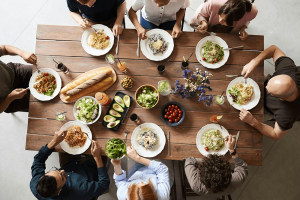
Across Mediterranean cultures, meals rarely happen alone when company is available. Even casual lunches invite sharing — plates placed centrally, bread passed without ceremony, conversation flowing without structured direction. The table functions as social infrastructure: news exchanged, relationships reinforced, daily stress softened through collective presence.
Children grow accustomed to lingering meals, absorbing etiquette and taste simultaneously. Eating becomes education without formal instruction, and time feels less like a resource to manage and more like something to inhabit.
Time Expands Naturally
Lunch may extend longer than expected. Dinner often begins late, especially during warmer months when outdoor air finally softens. Communities gather in plazas and terraces, letting evening light set the pace. Courses arrive gradually. Wine accompanies food rather than dominating it. Dessert signals continuation rather than conclusion.
Time feels elastic, guided by comfort instead of schedule.
Ingredients That Define the Lifestyle
Mediterranean cooking demonstrates how restraint creates satisfaction. Rather than complex layering, dishes highlight ingredient integrity — the taste of a tomato at its peak, a drizzle of oil with real perfume, a fish cooked simply enough to still taste of the sea.
Olive Oil as Foundation
More than a cooking fat, olive oil symbolizes regional identity. Drizzled generously yet thoughtfully, it connects vegetables, grains, and seafood through texture and aroma, transforming simplicity into richness without heaviness.
Vegetables at the Center
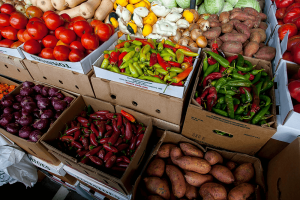
Eggplant, tomatoes, zucchini, peppers, and leafy greens anchor meals year-round. Preparation stays minimal — grilling, roasting, dressing lightly with oil and herbs — because the goal isn’t disguise. It’s clarity.
Vegetables are not side dishes; they are protagonists.
Seafood and Seasonality
Coastal proximity encourages frequent seafood consumption: grilled fish, shellfish, preserved anchovies, and briny small bites shaped by immediate availability. Seasonal awareness guides menus naturally, eliminating the need for rigid “diet rules.” Eating what is available becomes instinct.
What Travelers Notice First
Visitors often arrive expecting indulgence yet encounter moderation instead. Portions appear smaller than anticipated, meals feel satisfying without heaviness, and desserts exist without dominating the table. The greatest surprise is how effortlessly balance occurs.
Walking is woven into daily life — trips to markets, evening strolls after dinner, movement between cafés and homes. Physical activity exists without performance. Meals conclude with espresso or fruit more often than excess, and wine accompanies food calmly, rarely consumed in isolation.
The lifestyle feels luxurious precisely because it is simple.
The Mediterranean Diet — Misunderstood Abroad
Outside the region, the “Mediterranean diet” is often reduced to nutritional guidelines, trend headlines, and ingredient checklists. Yet within Mediterranean cultures, eating well was never designed as a diet.
Health emerged as consequence, not intention.
People cook with fresh ingredients because they are accessible. Meals are shared because community remains central. Eating slowly happens naturally because evenings are social events rather than deadlines. Trying to copy Mediterranean food without adopting Mediterranean rhythm often misses the deeper lesson: pleasure and moderation coexist comfortably when time is treated with respect.
Food satisfies emotionally as well as physically — and that emotional satisfaction quietly shapes what “healthy” actually feels like.
Markets: The Heartbeat of Daily Cooking
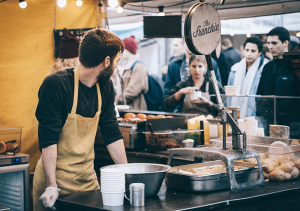
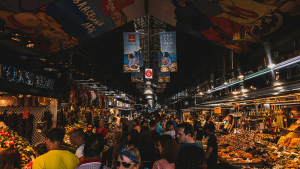
Morning markets reveal Mediterranean culture more clearly than restaurants. Vendors greet regular customers by name. Produce changes daily depending on harvest and weather. Decisions about dinner happen spontaneously based on what appears most alive.
Cooking begins with observation rather than planning.
Shopping becomes social interaction: brief conversations exchanged alongside purchases, advice offered casually, ingredients carrying stories of origin. Travelers wandering these markets begin to understand why Mediterranean meals feel alive — they start long before the stove is lit.
Bringing Mediterranean Living Home
Adopting Mediterranean habits requires less transformation than most people imagine. The philosophy depends on awareness rather than location. When food becomes a daily anchor, even a weeknight feels warmer — not because it is more elaborate, but because it is more present.
Small practices that change everything:
- Cook vegetables generously and simply
- Serve shared plates instead of isolated portions
- Eat outdoors whenever possible (even just by an open window)
- Let meals unfold without screens or rush
Lighting a candle, opening windows, serving dishes sequentially — these small gestures reshape perception immediately. Mediterranean living teaches that celebration doesn’t require an occasion, only attention.
Recipes inspired by Mediterranean rhythm:
- Greek Village Salad
- Grilled Sea Bass with Lemon and Olive Oil
- Tomato Bruschetta
- Lemon Olive Oil Cake
Travel Notes: Experiencing Mediterranean Food Culture
Where the Lifestyle Feels Most Authentic
- Southern Italian coastal towns
- Greek island villages
- Spanish seaside plazas
- Provençal markets in southern France
What to Observe
- Long lunches that extend into afternoon
- Shared plates dominating tables
- Outdoor dining as the default setting
Etiquette Tips
- Order seasonally whenever possible
- Expect slower service during busy evenings
- Treat meals as social gatherings, not transactions
Why Mediterranean Living Endures
Modern societies increasingly prioritize speed and convenience, yet Mediterranean culture preserves another possibility. By protecting meals as communal rituals, communities maintain connection — to place, to season, and to one another.
Food becomes daily reaffirmation of identity.
The endurance of this lifestyle suggests satisfaction arises not from abundance alone but from balance: between work and rest, nourishment and pleasure, individuality and community. Travelers often return home trying to replicate flavors, only to discover that atmosphere is equally essential.
THE OVENSOURCE PERSPECTIVE
Mediterranean living reminds us that great food doesn’t begin with complexity but with respect — for ingredients, for time, and for the people gathered around the table. The region’s greatest culinary lesson may be its most subtle: celebration does not belong exclusively to holidays or milestones.
When meals receive attention, every day contains reason enough to gather. Cooking inspired by the Mediterranean becomes less about imitation and more about intention — choosing to slow down, share generously, and treat nourishment as experience rather than obligation.
In the Mediterranean, the meal isn’t the break from life. It is the way life is held together.
COOK THE EXPERIENCE AT HOME
- Classic Bruschetta al Pomodoro
- Simple Grilled Fish Techniques
- Homemade Focaccia
- Olive Oil–Based Dressings and Sauces