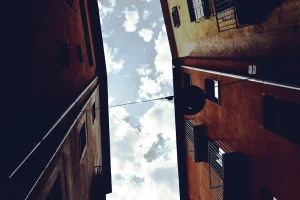
There is a kind of morning in Tuscany that does not feel staged for visitors. It begins quietly, without spectacle, with pale light washing over stone walls and narrow streets that still belong to the night. A bakery opens. Someone drags a chair across a terrace. Espresso cups begin to knock softly against saucers. The whole place seems to wake by instinct rather than schedule, and if you are lucky enough to be there early, before the day gathers speed, you start to understand something essential about Italian food. It is not just served. It is lived with. It belongs to the hour, the weather, the street, the memory, the appetite you did not fully notice until the smell of bread, olive oil, garlic, and something simmering slowly pulls you the rest of the way in.
Tuscany has a way of simplifying your attention. You notice texture more. You notice shadows, voices, the sound of plates arriving at tables, the way meals seem to emerge naturally from the shape of the day rather than interrupt it. Nothing feels forced. Even hunger has a softer arrival. You walk first, without much purpose, passing shuttered windows, small groceries, a butcher setting out his display, an old woman leaning over a balcony with the seriousness of someone checking the weather the way people once did, by looking at it directly. This is the hour when the region makes most sense: not in grand villas or cypress-lined postcards, but in ordinary motion, in kitchens already working, in meals that have been cooking longer than you have been awake.
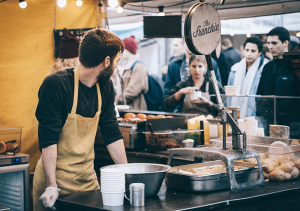
And then, somewhere in that slow unfolding, you sit down in a place that feels less discovered than stumbled into. Maybe it is a trattoria with a few outdoor tables and paper menus slightly softened by use. Maybe it is a family dining room disguised as a restaurant, where lunch feels inevitable rather than marketed. The kind of place where there are not too many choices because there do not need to be. A few pastas. A few secondi. A soup of the day. Bread that lands on the table without introduction. Olive oil that tastes peppery and green enough to remind you that freshness is not a luxury here. It is just the baseline.
The bowl that explains the place
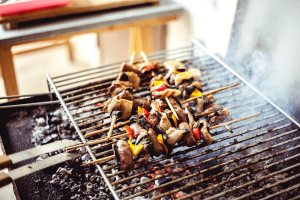
It is easy, when people talk about Tuscany, to picture grilled meats, red wine, handmade pasta, ribollita, beans, and long lunches under a striped awning. All of that belongs. But soup may be the thing that explains the region most honestly. Not because it is flashy, but because it isn’t. Tuscan soups come from a tradition of restraint and resourcefulness, from kitchens where yesterday’s bread mattered, where beans carried meals, where greens were not decoration but substance, where flavor came from patience instead of display. A bowl arrives and at first glance it can seem almost too simple, as though it is withholding something. Then you taste it, and what looked humble begins to feel complete.
Zuppa Toscana, at least as many people know it now, has travelled far from its origins. Outside Italy it often appears richer, creamier, heavier, built around sausage, potatoes, kale, and a kind of comforting abundance that fits colder nights and larger appetites. But what makes the idea endure is not a strict formula. It is the spirit behind it: rustic ingredients handled with enough care that they become memorable. That is what Tuscany does so well. It takes modest things and lets them become more than the sum of themselves. The soup does not need embellishment because the logic is already sound. Salt, fat, heat, greens, broth, depth, softness, contrast. It all arrives in proportion.
The best bowls do not try to impress you immediately. They let warmth do the introduction first.
The first spoonful usually lands with more force than expected. Not because it is dramatic, but because it is balanced in a way that feels instinctive. The broth carries real body. The potatoes soften without disappearing. The greens keep just enough edge to stop the whole thing from becoming sleepy. There is savoriness, but not heaviness. Comfort, but not laziness. You taste the structure before you start naming the ingredients. That, more than anything, is what stays with you. The sense that the bowl makes sense as a whole before it makes sense in parts.
And that is often the point when a travel meal becomes something else. It stops being a pleasant lunch and starts becoming a reference point. A dish you mentally circle, not because it was extravagant, but because it felt inevitable — the kind of food that seems impossible to improve because it is already so deeply itself. You finish the soup and realize you are not only full. You are recalibrated. Your idea of what simple food can do has shifted slightly, and that shift lingers longer than the meal.
What Tuscany really teaches you about food
People often say Italian cooking is simple, and that is true in the least useful way possible. It is simple the way beautiful handwriting is simple after fifty years of practice. It is simple because the unnecessary has already been edited out. That is different from being easy. Tuscany especially has a way of exposing the difference. Here, dishes are often built on a few central ingredients, but those ingredients are expected to carry real flavor, and they are expected to be treated correctly. Bread matters. Broth matters. Olive oil matters. Timing matters. Restraint matters even more.
That is why a soup can tell you so much about a place. A good Tuscan soup does not rely on surprise. It relies on confidence. It knows that enough is enough. It knows when to stop. And in that sense, it reflects the region itself, where beauty often comes from proportion rather than spectacle. The hills are not trying too hard. The villages are not performing. The table is not overexplaining itself. Everything seems to understand that style without substance is forgettable, but substance without noise can become unforgettable.
If you love food, travel like this changes you in small, permanent ways. You return home a little less interested in excess, a little more attentive to foundation. You begin to care more about how a dish settles than how it dazzles. You notice whether a meal has rhythm, whether it builds naturally, whether it feels rooted in something older than a trend. Tuscany does that to people. It does not just give you dishes to remember. It changes the questions you ask of food afterward.
Why this soup belongs in a home kitchen
Some travel meals are unforgettable precisely because they resist translation. They depend so completely on the street, the room, the hour, the landscape, that trying to recreate them at home feels almost unfair. Zuppa Toscana is different. It travels well because it was never about performance to begin with. It was always kitchen food. Real food. The kind of dish built to be made again, adjusted gently, repeated through seasons, taught without ceremony, passed along not as an event but as a habit. That is part of what makes it so appealing for OvenSource. It belongs equally to memory and to practice.
When you make it at home, you are not chasing museum-level authenticity. You are chasing that same feeling of depth and ease, the sensation of a meal that settles into the room and makes everything around it feel calmer. The steam on the window. The bread on the side. The way the broth tastes even better after a few extra minutes in the pot. It is exactly the kind of recipe that benefits from a little editorial care because the dish itself carries so much story. It deserves more than an ingredient list. It deserves context, mood, and a sense of place.
What I love most about linking a story like this to a recipe is that it closes the loop in the right direction. You travel through the dish first, emotionally, then you cook. That sequence matters. It reminds the reader that recipes are not isolated instructions floating in space. They come from somewhere. They carry weather, geography, economics, routine, memory, and longing. A bowl of soup is never just a bowl of soup once you have met it in the right place.
The moment after lunch
The real test of a travel meal is not what you think while eating it. It is what stays with you after you stand up from the table. In Tuscany, lunch often ends slowly, the way good conversations do. Plates clear, glasses empty, sunlight shifts, and outside the street has changed without asking your permission. There are more people now, more movement, more noise. The day has turned fully outward. But you step back into it carrying something with you — not just the taste of the soup, but the logic of it, the reminder that food does not need complication to feel important.
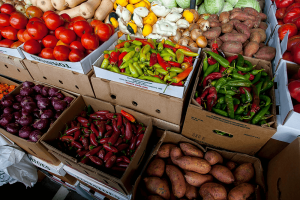
You walk a little differently after a meal like that. Less rushed, more observant. You notice another menu on another wall, a crate of greens outside a shop, the dark shine of olive oil in a bottle catching light through a window. Everything starts connecting. The meal no longer feels like a separate event. It feels like part of the place, and because of that, part of the story you will later tell yourself about being there.
That may be the real reason certain dishes stay with us: they become containers for a whole hour of life, not just for flavor.
And so when you return home and make Zuppa Toscana in your own kitchen, what you are really doing is more interesting than reproduction. You are continuing a feeling. You are taking something that once belonged to a Tuscan morning and letting it live again in a different room, under different light, for different people. Done with care, that is enough. More than enough, actually. That is what good food writing should do. Not imitate travel, but extend it. Not flatten a place into a recipe, but let the recipe hold onto the place a little longer.
Tuscany teaches this beautifully. The table does not need to shout. A village does not need to introduce itself. A soup does not need to be complicated. It just needs to be true enough that you remember it when the bowl is empty, when the street is brighter, when the trip is over, and when the only real way back is to cook.