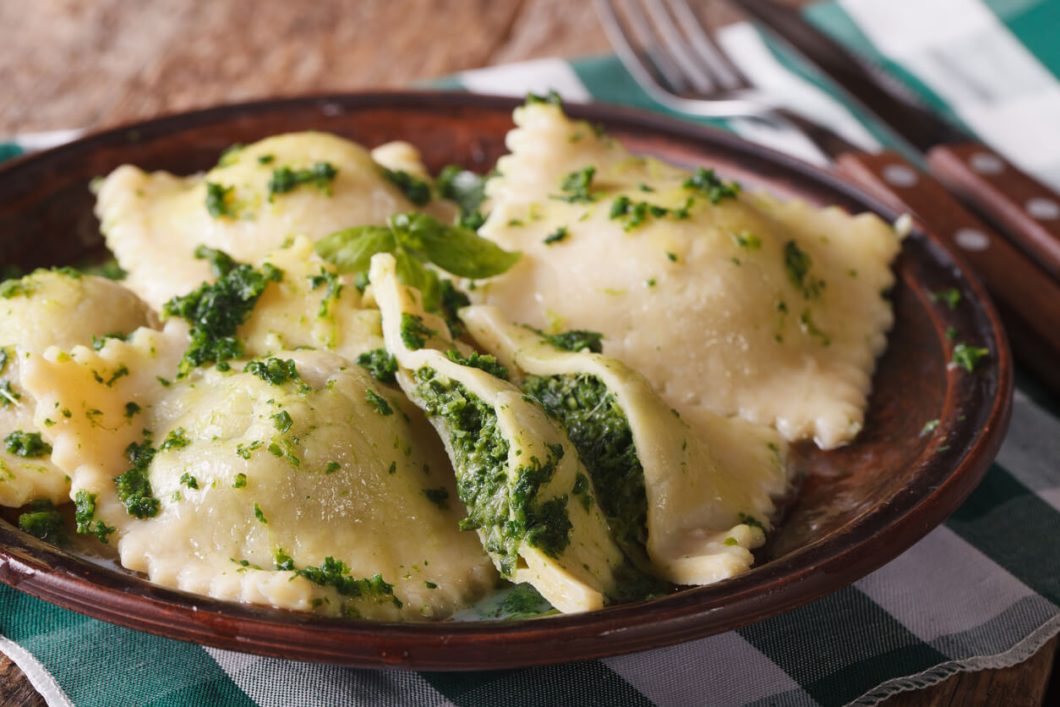
Ricotta and Spinach Ravioli (Ravioli di Ricotta e Spinaci)

This recipe will guide you, step by step, in preparing classic ricotta-and-spinach ravioli at home. Follow along for clear instructions and helpful tips to ensure delicious results.
Ricotta and spinach are a classic Italian combination based on balance and simplicity. The cheese provides a soft, creamy texture, paired with a fresh, slightly earthy contrast from the greens. For best results, use well-drained ricotta and squeeze out any excess water from the spinach before mixing the filling. This helps prevent a watery texture and ensures the filling stays creamy and rich. Together, they create a filling that feels complete without being heavy, making it a staple in many traditional dishes.
Ricotta provides a smooth, mild base that supports the filling’s structure. Spinach adds depth and subtle bitterness, keeping the flavor balanced. This combination works naturally, with few additional ingredients or heavy seasoning. For a classic touch, season the filling simply with salt and pepper. A small pinch of grated nutmeg is often added, bringing subtle warmth that complements both the cheese and the greens.
This duo appears throughout Italian cuisine, from ravioli and cannelloni to gnudi. The method is consistent: use simple ingredients, let them complement each other, and keep the process direct. The result is a clean, balanced dish that’s easy to enjoy.
Simple ingredients. Balanced flavor. Reliable results.
The preparation stays straightforward. Combine the ingredients, adjust the seasoning, and build the dish step by step. The process feels controlled and repeatable, making it ideal for both beginners and experienced cooks.
This recipe works well for everyday cooking. It’s light, flexible, and adapts easily to what you have on hand. It also pairs well with a variety of sauces. For a classic finish, serve the ravioli with a simple sage butter sauce, letting the filling’s flavors shine through. Tomato sauce is another popular choice, adding a bright, familiar contrast to the creamy filling. A light cream sauce or a drizzle of extra-virgin olive oil with a sprinkle of Parmesan are also excellent accompaniments. These classic options help highlight the dish’s balanced flavors, making it a reliable option in any kitchen.
Overall, ricotta and spinach offer a dependable foundation for many Italian recipes. It’s simple, balanced, and easy to execute while still delivering satisfying results.

Category, , DifficultyAdvanced


Yields4 Servings
Prep Time1 hrCook Time15 minsTotal Time1 hr 15 mins

For the Pasta Dough:
 2 cups all-purpose flour, plus more for dusting
 3 large eggs
 1 tablespoon olive oil
 A pinch of salt
For the Filling:
 1 cup ricotta cheese
 1 cup cooked, drained, and finely chopped spinach
 1/2 cup grated Parmesan cheese
 1 egg yolk
 Salt and pepper to taste
 Nutmeg, a pinch (optional)
For the Sauce:
 4 tablespoons unsalted butter
 A few sage leaves
 Salt to taste
 Grated Parmesan cheese, for serving

1

Prepare the Pasta Dough: On a clean surface, make a mound with the flour and create a well in the center. Crack the eggs into the well, add the olive oil and salt, and gradually incorporate the flour into the eggs using a fork. Knead the dough until smooth and elastic, about 10 minutes. Wrap it in plastic wrap and let it rest for at least 30 minutes.

2

Make the Filling: In a bowl, combine the ricotta, spinach, Parmesan cheese, egg yolk, salt, pepper, and nutmeg (if using). Mix until well combined.

3

Assemble the Ravioli: Divide the dough into four pieces. Working with one piece at a time, roll out the dough into a thin sheet using a pasta machine or a rolling pin. Place teaspoons of filling an inch apart over half of the pasta sheet. Fold the other half over the filling and press down around the edges to seal, removing any air pockets. Cut into individual ravioli with a pastry cutter or knife. Repeat with the remaining dough and filling.

4

Cook the Ravioli: Bring a large pot of salted water to a boil. Cook the ravioli in batches until they float to the surface, about 3-4 minutes. Remove with a slotted spoon and drain.

5

Prepare the Sauce: Melt the butter in a large skillet over medium heat. Add the sage leaves and cook until the butter is slightly browned and aromatic. Toss the cooked ravioli in the sage butter, coating them gently.

6

Serve: Plate the ravioli and drizzle with the sage butter sauce. Sprinkle with grated Parmesan cheese before serving.

Ingredients

For the Pasta Dough:
 2 cups all-purpose flour, plus more for dusting
 3 large eggs
 1 tablespoon olive oil
 A pinch of salt
For the Filling:
 1 cup ricotta cheese
 1 cup cooked, drained, and finely chopped spinach
 1/2 cup grated Parmesan cheese
 1 egg yolk
 Salt and pepper to taste
 Nutmeg, a pinch (optional)
For the Sauce:
 4 tablespoons unsalted butter
 A few sage leaves
 Salt to taste
 Grated Parmesan cheese, for serving
Ricotta and Spinach Ravioli (Ravioli di Ricotta e Spinaci)

Perfect Wine Pairing:

Pinot Grigio: A crisp and light Pinot Grigio complements the delicate flavors of the ricotta and spinach ravioli. Its acidity balances the richness of the cheese, while its subtle fruit notes provide a nice contrast to the earthy spinach.

Sauvignon Blanc: If you prefer a wine with more aromatic intensity, Sauvignon Blanc offers vibrant citrus and herbal notes that can enhance the spinach flavors and complement the ricotta’s richness.

Gavi: Made from Cortese grapes, Gavi is another excellent choice. It offers a balance of acidity and minerality that pairs well with the creamy texture and subtle flavors of the dish.

If you enjoyed this recipe, explore our

Italian Comfort Recipes guide
.
Author

  • Alberto is a Calgary-based hospitality professional and the founder of OvenSource. His background is rooted in restaurant operations, guest experience, and concept-driven dining, with years spent working closely inside hospitality environments where food, service, and atmosphere all matter equally.

    Through OvenSource, he brings together practical restaurant insight, a traveler’s perspective, and a deep personal interest in how food connects people to memory and place.

    View all posts Founder & Editor

Leave A Comment

Your email address will not be published. Required fields are marked *