Tapioca Crepes: A Versatile Brazilian Snack
Tapioca Crepes, known simply as tapioca in Brazil, bring a light and versatile start to the day. Found at street stalls and home kitchens alike, they feel simple, fresh, and naturally satisfying. From the first bite, the texture stands out—soft, slightly chewy, and gently crisp at the edges.
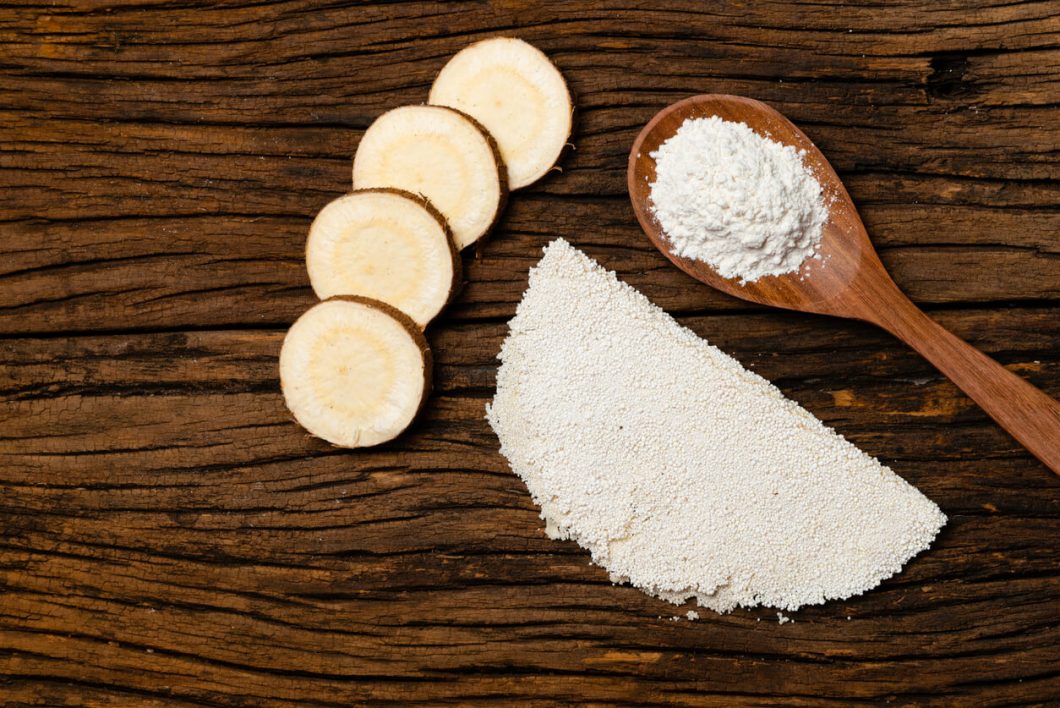
Cooks make them from hydrated cassava flour, which turns into a thin crepe on a hot pan. As it heats, the starch binds without needing eggs or gluten. Then, the surface becomes smooth and flexible, ready to hold a variety of fillings.
Because of this, tapioca adapts easily to both savory and sweet flavors. For savory versions, cooks add cheese, ham, or chicken, often with vegetables or sauces. At the same time, sweet options include condensed milk, chocolate, or fresh fruits like banana and strawberry.
Traditionally, they are folded and served warm, straight from the pan. Then, each bite delivers a balance of texture and flavor without feeling heavy.
Tapioca crepes work for breakfast, snacks, or even dessert. In addition, they offer a naturally gluten-free option that still feels indulgent and complete.
Overall, this dish reflects the simplicity and creativity of Brazilian street food. Today, it remains a daily favorite—light, adaptable, and always satisfying.
Prepare the Batter: In a mixing bowl, combine the tapioca flour with salt. Gradually add water, stirring continuously, until the batter is smooth and has the consistency similar to that of thin pancake batter. Let it rest for about 5 minutes, allowing the starch to settle.
Heat the Pan: Heat a non-stick skillet over medium heat. You may lightly grease it with a bit of butter or oil, although this is not necessary if you have a good non-stick surface.
Cook the Crepes: Pour a ladle of the tapioca batter into the center of the hot skillet, swirling the pan immediately to spread the batter into a thin layer. Cook for about 1-2 minutes until the edges start to peel away from the pan and the bottom is slightly golden. Flip the crepe carefully and cook for another 30 seconds to 1 minute on the other side.
Add Fillings: Place the filling of your choice on half of the crepe while it's still in the pan. If using cheese, allow it to melt slightly. Fold the crepe over the filling to form a half-moon shape. Press down lightly with a spatula to seal the edges if needed.
Serve: Remove the crepe from the pan and serve immediately while still warm and crispy.
Ingredients
Perfect Beverage Pairing:
- For Savory Crepes: A cold glass of sparkling water or a crisp white wine like Sauvignon Blanc complements the meal nicely.
- For Sweet Crepes: A cup of fresh Brazilian coffee or a dessert wine can enhance the sweetness of the fillings.